Gastroenterology is the medical specialty concerned with the digestive system from the esophagus, stomach, and intestines to the liver, pancreas, gallbladder, and bile ducts. A gastroenterologist evaluates symptoms such as persistent heartburn, abdominal pain, diarrhea, constipation, or rectal bleeding; diagnoses digestive diseases; and helps patients choose an appropriate treatment or screening plan. At Abraham Dental Art in Florida we explore not only dentistry but also important general health topics, such as digestive health.”
The right next step depends on the symptom and its context. A short episode of indigestion after a meal is different from months of worsening pain, difficulty swallowing, or unexplained weight loss. Understanding that difference can help people seek care at the right time and avoid relying on self treatment when an examination is needed.
Gastroenterology in 2026: Scope and Priorities
Gastroenterology includes the diagnosis and management of conditions affecting digestion, nutrient absorption, bowel function, and the organs that help process food. Some gastroenterologists focus on areas such as inflammatory bowel disease, liver disease, digestive motility, or advanced endoscopy. They are physicians, not surgeons, although they may work closely with colorectal, bariatric, or hepatobiliary surgeons.
Ongoing priorities in digestive care
Several established areas continue to shape gastroenterology care in 2026: colorectal cancer screening, earlier identification of liver disease related to metabolic risk, and matching diagnostic tests to a person’s symptoms rather than ordering the same test for everyone.

For average-risk adults in the United States, the U.S. Preventive Services Task Force recommends colorectal cancer screening from ages 45 through 75. For adults ages 76 through 85, the decision is individualized. People with a family history of colorectal cancer, prior polyps, inflammatory bowel disease, or certain inherited conditions may need a different plan or earlier screening.
Technology supports diagnosis, but does not replace it
Depending on the concern, gastroenterology teams may use high-definition endoscopy, capsule endoscopy, ultrasound, elastography, or other imaging and laboratory tests. Computer-assisted tools may also support some procedures. Availability and appropriate use vary, and test results still require interpretation in the context of a patient’s symptoms, history, and examination.
Screening is different from evaluating symptoms
A screening test is intended for someone without symptoms who is at an age or risk level where screening is recommended. A person with blood in the stool, persistent abdominal pain, or a new change in bowel habits may need a diagnostic evaluation, even if they recently had a screening test. The clinician can advise which pathway fits.
Symptoms and Conditions Gastroenterologists Evaluate
Digestive symptoms can be mild and temporary, but persistent, recurring, or worsening symptoms deserve attention. A clinician will consider when symptoms began, how often they occur, what makes them better or worse, and whether they are accompanied by changes in weight, appetite, bowel habits, or energy.
Common reasons to seek a gastroenterology evaluation
People may be referred for:
- Persistent or recurring heartburn, regurgitation, or difficulty swallowing
- Ongoing abdominal pain, bloating, nausea, or vomiting
- Chronic diarrhea, constipation, or a sustained change in bowel habits
- Blood in the stool, unexplained anemia, or unintentional weight loss
- Abnormal liver tests, jaundice, or suspected gallbladder or pancreatic disease
- A need for colorectal cancer screening or follow-up after polyps
These symptoms do not establish a diagnosis on their own. The same symptom may have several causes, so evaluation is guided by the whole clinical picture.
Examples of digestive conditions
A symptom diary can help make an appointment more productive. For example, someone with recurring diarrhea might record its timing, associated foods, medicines, and whether there is blood or fever. That information does not replace testing, but it can help a clinician decide what to investigate.
When symptoms need urgent attention

Seek emergency care for severe or rapidly worsening abdominal pain, vomiting blood, black tarry stools, fainting, or signs of severe dehydration. New jaundice accompanied by confusion, severe weakness, or significant abdominal pain also needs urgent assessment. For heavy bleeding, collapse, or another medical emergency, call 911.
Difficulty swallowing that is new or worsening, persistent vomiting, unexplained weight loss, or blood in the stool warrants prompt medical attention. The urgency depends on the severity and circumstances, so contact a healthcare professional rather than relying on an online symptom checker.
What to Expect at a Gastroenterology Evaluation
An evaluation often begins with a detailed history and physical examination. The clinician may ask about symptom patterns, previous diagnoses, family history, diet, alcohol use, and all medications and supplements. Depending on the concern, the next step might be laboratory testing, a stool test, imaging.
Since chronic inflammation often begins from within and significantly impacts the digestive system, managing these conditions and protecting the gastric lining relies heavily on targeted treatments like Nexium.
Colonoscopy and upper endoscopy preparation
For colonoscopy, the bowel must be cleaned so the clinician can see the colon lining. Follow the endoscopy center’s instructions closely, including the timing of the bowel preparation and any food or drink restrictions. If the preparation seems impossible to complete or causes concerning symptoms, contact the care team for instructions.
Before either procedure, provide a current list of medicines and supplements. Ask the care team for individualized guidance about blood thinners, diabetes medicines, and GLP-1 medicines. Recommendations can vary with the procedure and the patient’s health; do not stop a prescribed medicine on your own. If sedation is planned, confirm whether you need someone to take you home.
Treatment and Digestive Health Habits
Treatment depends on the diagnosis. A plan for reflux is not the same as a plan for celiac disease, IBD, gallstones, or chronic constipation. A clinician may recommend a medicine, a change in diet or behavior, further testing, a procedure, or a combination of approaches.
Practical steps that may support digestive health
- Choose a balanced eating pattern and increase fiber gradually if appropriate; a rapid increase can worsen gas or bloating for some people.
- Keep hydrated, especially when increasing fiber or managing diarrhea.
- Note whether specific foods or habits reliably trigger symptoms instead of cutting out multiple food groups without guidance.
- Discuss smoking, alcohol, and weight-related concerns with a healthcare professional when they may affect digestive or liver health.
- Follow the recommended colorectal screening schedule and any personalized follow-up plan after polyps or a prior diagnosis.
Broad food restrictions are not automatically beneficial. If someone is considering a gluten-free diet because of possible celiac disease, they should talk to a clinician before changing their diet: testing can be affected if gluten has already been removed.
Nexium: Appropriate Use and Safe Purchasing
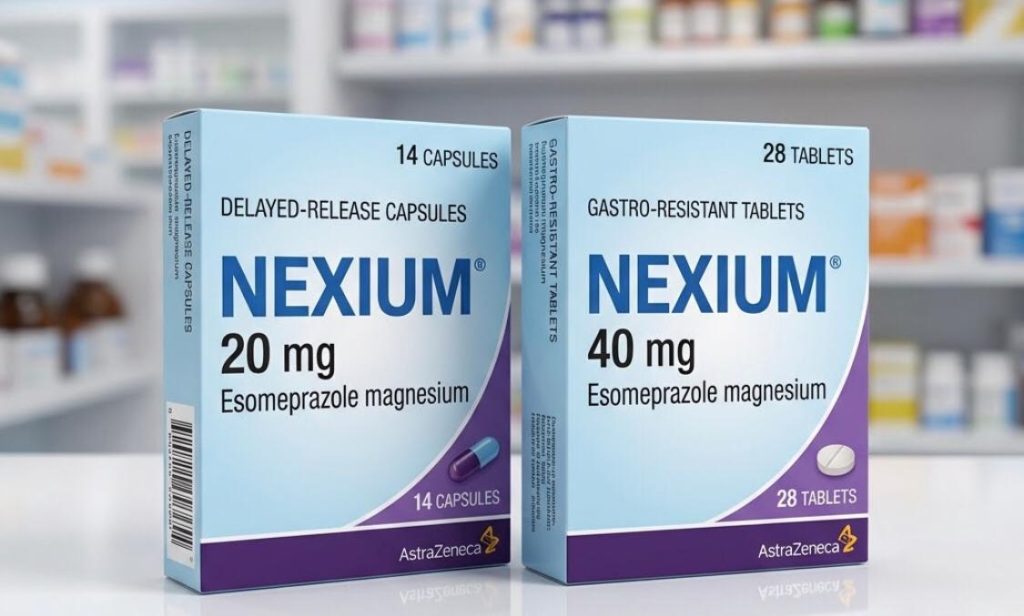
Nexium is a brand name for esomeprazole, a proton pump inhibitor (PPI) that reduces stomach acid. It may be used for conditions such as GERD and erosive esophagitis. Prescription esomeprazole may also be used in selected ulcer-related treatment plans and certain conditions involving excessive acid production. The correct formulation, dose, and duration depend on the reason for treatment and the product label.[1]
OTC and prescription products are not interchangeable instructions
In the United States, Nexium 24HR is sold over the counter for adults with frequent heartburn, with specific Drug Facts directions for a 14-day course. It is not intended to provide immediate relief; the label notes that full effect may take several days. Prescription esomeprazole has different indications and instructions. Follow the label for the exact product you have and ask a pharmacist if you are unsure which formulation you are using.
Review long-term use with a clinician
Possible side effects of esomeprazole include headache, abdominal discomfort, nausea, or diarrhea. FDA-approved labeling also describes less common but significant risks, including acute interstitial nephritis and, with prolonged use in some circumstances, low magnesium or vitamin B12 levels. Some studies have reported associations between long-term PPI use and other health outcomes; an association does not by itself prove that the medicine caused the outcome. Do not stop a prescribed PPI without discussing the reason and alternatives with your clinician.
Esomeprazole can interact with some medicines. Of particular note, it may reduce activation of clopidogrel, an antiplatelet medicine. If you take clopidogrel, tell your prescriber and pharmacist before starting or changing a PPI. Do not stop clopidogrel or esomeprazole on your own.
Buying Nexium online safely
If you are considering searching for safely purchase Nexium online first confirm whether you need the OTC product or prescription esomeprazole. A valid prescription issued by an authorized specialist is required to buy Nexium. A legitimate online pharmacy should require that prescription, provide a way to consult a pharmacist, and be licensed in the state where it operates.

Check the relevant state pharmacy board and use FDA resources as additional screening tools. Avoid websites that offer Nexium without a prescription, conceal their location, or make implausible claims.
If you want to buy prescription Nexium online, ask your prescriber to send the prescription to a pharmacy you have verified. Ask about generic esomeprazole, insurance coverage, and the intended treatment duration. A safe supplier can fill a valid prescription; it cannot determine whether the medication is appropriate for your symptoms.
When to See a Gastroenterologist
Consider asking a primary care clinician about a gastroenterology referral when symptoms persist, return often, interfere with daily life, or fail to improve with an appropriate initial plan. A referral may also be useful for abnormal liver tests, a need for screening, or a known condition requiring specialist follow-up.
Illustrative scenario, not a real patient case: Someone with frequent heartburn might report partial relief from an over-the-counter acid reducer but also describe food sticking when swallowing. The swallowing symptom changes the conversation: rather than simply extending self-treatment, a clinician should assess whether further evaluation is needed.
For symptoms that are mild and short-lived, a pharmacist or primary care professional may help identify safe self-care options. Persistent symptoms, red flags, or uncertainty about a medicine’s risks call for medical advice.
Frequently Asked Questions
What does a gastroenterologist treat?
A gastroenterologist evaluates diseases and symptoms involving the esophagus, stomach, intestines, liver, pancreas, gallbladder, and bile ducts.
When should I see a gastroenterologist for heartburn?
Arrange a medical evaluation if heartburn is persistent, recurring, or not improving as expected, and seek prompt care for difficulty swallowing, bleeding, or unexplained weight loss.
Does a colonoscopy diagnose every digestive condition?
No. A colonoscopy examines the colon and rectum, while other conditions may require blood or stool tests, imaging, upper endoscopy, or another evaluation.
Can I buy Nexium online, and when is a prescription required?
Some Nexium 24HR products are sold over the counter under their Drug Facts directions, but prescription Nexium requires a valid prescription and should be filled through a licensed pharmacy.
Should I stop a PPI if I am worried about long-term side effects?
Do not stop a prescribed PPI without discussing the risks, benefits, and alternatives with the clinician who manages your treatment.