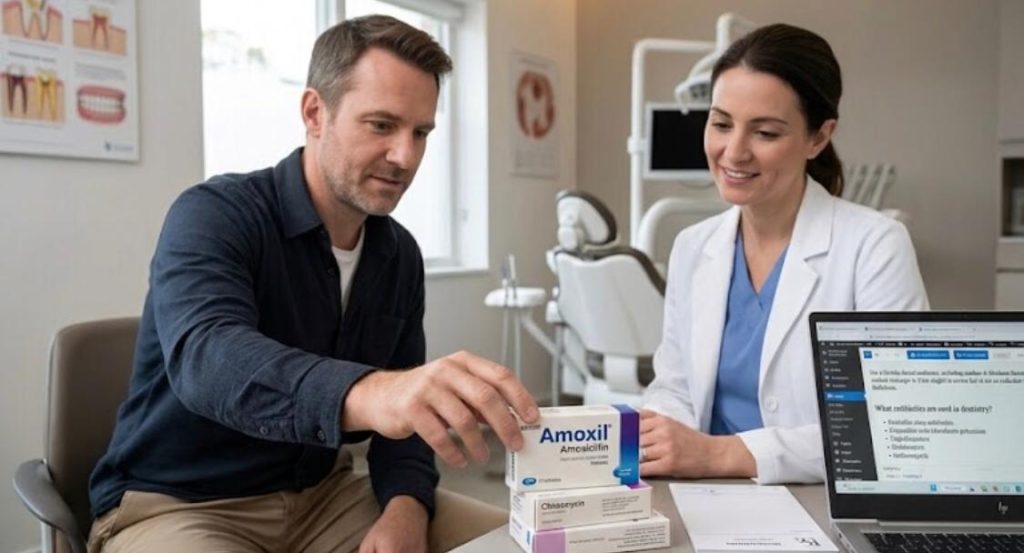
A toothache does not automatically call for an antibiotic. Many painful dental conditions come from an inflamed tooth nerve and need dental treatment, not an antibiotic. Amoxicillin, sold under the brand name Amoxil in some settings, is a prescription medicine used for certain bacterial infections. Whether it is appropriate depends on the diagnosis, signs of infection spread, allergies, and medical history.
For a Florida dental audience, including readers of Dental Lab, the central message is simple: an antibiotic cannot replace an examination or treatment of the source. This guide explains when antibiotics may help, how amoxicillin is used safely, and when dental symptoms need urgent attention. It is educational, not a diagnosis or prescription.
Dental Antibiotics in 2026: When They Help
Antibiotics kill or slow susceptible bacteria. They do not numb an inflamed tooth, repair decay, or remove infected tissue. For many dental problems, the main treatment is dental care that addresses the source for example, drainage, a root canal, or extraction when clinically appropriate.
Tooth pain is not always a bacterial infection
A tooth can hurt because its inner pulp is inflamed, a filling is damaged, or the tooth is cracked. Pain may be intense even when there is no infection that needs an antibiotic. Taking antibiotics without an indication can cause side effects and contribute to antimicrobial resistance.
A dentist may assess for conditions such as pulpitis, inflammation around a tooth root, or a localized dental abscess. The findings matter: similar symptoms can require different treatment. An exam may include a review of the tooth and gums and, when indicated, dental imaging.
The practical distinction
For example, a painful tooth with no fever or spreading swelling may need prompt dental treatment without an antibiotic. A dental abscess accompanied by fever, malaise, or spreading facial swelling needs urgent assessment; a clinician may prescribe an antibiotic alongside treatment of the source. This is a general illustration, not a patient case or a way to self diagnose.
Why treating the source matters
Infected or dead tissue inside a tooth can be difficult for an antibiotic to resolve on its own. Drainage or other dental treatment may be needed to control the infection. Symptoms that improve temporarily after medication do not prove the source has been treated. Keep the dental appointment even if pain or swelling lessens.
When Antibiotics May Be Recommended
The American Dental Association guideline for immunocompetent adults with certain pulpal and periapical conditions advises against generic antibiotics online in many situations, including uncomplicated tooth pulp inflammation. It supports antibiotics in selected circumstances, such as systemic involvement, and recommends urgent dental treatment when infection is spreading. The recommendations do not apply to every patient or every oral infection; a clinician must assess the person and the condition.
| Situation | Are antibiotics usually part of care? | Typical next step |
|---|---|---|
| Tooth-pulp inflammation without signs of spreading infection | Usually not | Prompt dental treatment and appropriate pain management |
| Localized dental infection with definitive treatment available | Often not routinely for an otherwise healthy adult | Treat the source; the dentist decides whether medication is needed |
| Infection with fever, malaise, or spreading swelling | May be prescribed | Urgent dental assessment and treatment of the source |
| Rapidly worsening swelling, trouble swallowing, or breathing difficulty | Emergency assessment needed | Call 911 or go to an emergency department |
Antibiotics before dental procedures
Preventive antibiotics before dental procedures are appropriate for only a small group of people at the highest risk of serious complications from infective endocarditis. The decision depends on the person’s heart history and the procedure; a heart murmur, pacemaker, or other cardiac history does not automatically mean antibiotics are needed. Ask your dentist and cardiologist if you have been told you need preventive medication.
How a Dentist Evaluates a Possible Infection
A dental evaluation considers the pain, the tooth and surrounding tissues, and the person’s medical history. A clinician may ask when symptoms began, whether they are worsening, and whether there has been fever, facial swelling, difficulty opening the mouth, or trouble swallowing.
Health details that affect the decision
Tell the dental team about:
- A past reaction to penicillin or other antibiotics, including what happened and how quickly
- Kidney problems, pregnancy, immune suppression, or chronic health conditions
- All medicines and supplements you take
- Recent antibiotic use and any treatment already tried
These details can affect whether an antibiotic is appropriate and which option is safest. A report of nausea is not the same as a history of hives, facial swelling, or breathing difficulty, but the dental team needs the full story.
When remote advice is not enough
A phone call or online visit can help direct someone to care, but it may not show whether a tooth needs drainage, root canal treatment, or another procedure. Facial swelling, fever, worsening pain, or difficulty opening the mouth calls for prompt professional assessment. Trouble breathing or swallowing is an emergency.
Amoxil and Amoxicillin: What Patients Should Know

Amoxil is a brand name for Amoxicillin, a penicillin class antibiotic. It works by interfering with the cell wall of susceptible bacteria. Amoxicillin is one of the antibiotics that may be considered for certain dental infections when an antibiotic is indicated. It does not treat viral illnesses or every type of bacterial infection.
Brand availability can vary, and a pharmacy may dispense purchase generic Amoxil 500mg online instead. The product, dose, and length of treatment should be selected by the prescriber based on the diagnosis, age, kidney function, allergies, and other health factors. This article does not provide a personal dose.
Take it only as prescribed
Use the medicine according to the prescription label. Do not take someone else’s antibiotic, use leftover tablets, share a prescription, or save medication for a future toothache. If you miss a dose, develop a side effect, or are unsure how long to take the medicine, contact the prescriber or pharmacist rather than guessing or extending treatment.
For some adult dental infections, ADA guidance recommends reassessment within about three days and a clinician directed duration that can include stopping 24 hours after symptoms resolve. That recommendation is not a self-directed rule: follow the instructions from the clinician who evaluated you.
Common side effects and serious reactions
Nausea, loose stools, and mild rash can occur. Seek emergency care for signs of a severe allergic reaction, such as difficulty breathing, swelling of the face or throat, or faintness. Contact a clinician promptly for a severe or persistent rash or severe diarrhea during or after treatment; antibiotic-associated C. difficile infection can occur.
Tell the prescriber about other medicines
Just as it is important to distinguish between normal hair shedding and actual pathology in cases of hair loss and alopecia a toothache does not automatically call for an antibiotic and requires proper clinical evaluation.
The prescriber and pharmacist should review your medication list. Amoxicillin may interact with some medicines or require extra care in people with certain health conditions, including kidney disease. Do not stop another prescribed medicine to accommodate an antibiotic without professional advice.
Buying Amoxil Online: Prescription and Pharmacy Safety
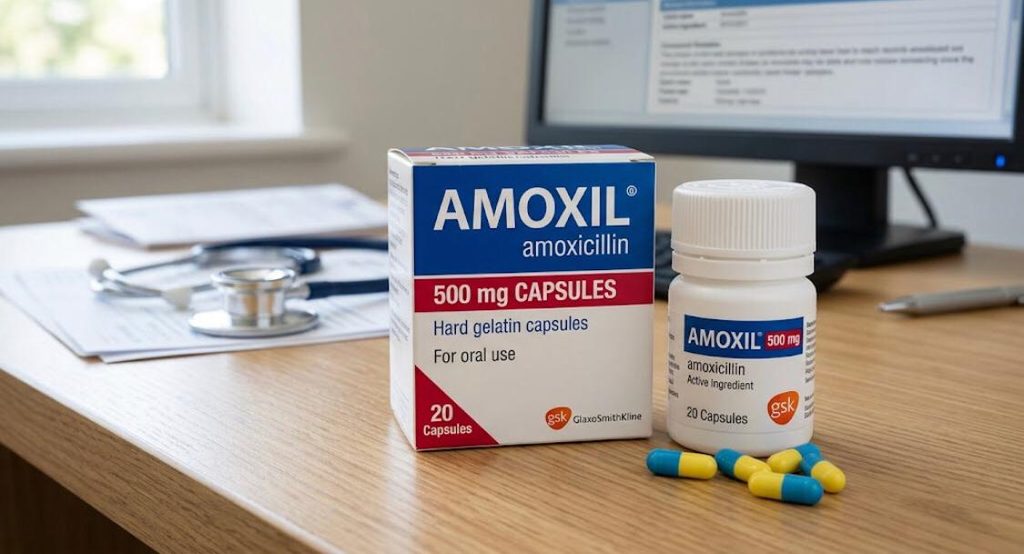
People may search ordering Amoxicilin (Amoxil) 100% online. These searches can lead to legitimate pharmacy services, but also to sellers that operate outside the regulated supply chain. Amoxicillin is a prescription antibiotic in the United States. Buy it only if it has been prescribed for you after an appropriate clinical assessment, and fill it through a pharmacy licensed to serve your state.
Before ordering, check the pharmacy’s license with the relevant state board of online pharmacy. FDA BeSafeRx offers guidance for checking online pharmacies. Be cautious if a site sells antibiotics without a prescription, does not identify its location, offers no access to a pharmacist, or makes it easy to order medication without a meaningful health review. A website’s appearance, low price, or use of a familiar brand name does not prove that its medicine is genuine.
For Florida readers, use the Florida Department of Health’s license lookup to verify a pharmacy. A legitimate telehealth service may prescribe an antibiotic when appropriate, but it cannot make an antibiotic necessary simply because someone requests one. For suspected dental infection, arrange dental evaluation as well; medication alone may not treat the source.
Preventing Dental Problems and Antibiotic Misuse

Prevention focuses on oral health and timely care, not keeping antibiotics at home. Brush twice daily with fluoride toothpaste, clean between teeth each day, and attend dental visits on a schedule recommended for your needs. Contact a dentist about persistent tooth pain, a broken tooth, or new swelling rather than waiting for symptoms to become severe.
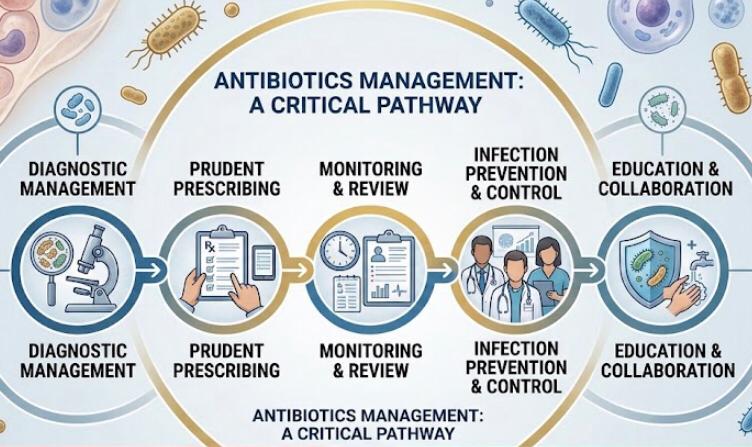
Antibiotic stewardship means using an antibiotic only when a qualified clinician determines it is needed, selecting an appropriate medicine, and following the prescription. Avoid taking antibiotics for a cold, flu, or other viral illness. Do not pressure a clinician for medication when the assessment does not support it; unnecessary antibiotics can cause harm without resolving the cause of dental pain.
A note for Abraham Dental Art readers
For a dental blog in Florida, useful guidance distinguishes routine tooth pain from a spreading infection and makes clear that an online article cannot diagnose either one. A dentist can assess the mouth and advise whether treatment, medication, or referral is needed. No patient cases or personal clinical credentials were provided for this article, so it does not claim firsthand case observations or treatment outcomes.
When to Seek Urgent Care
Contact a dentist promptly for worsening tooth pain, new facial swelling, fever, or difficulty opening your mouth. Seek emergency care for trouble breathing or swallowing, swelling that is rapidly spreading toward the neck or eye, confusion, or severe weakness. Call 911 for breathing difficulty or another life threatening emergency.
Frequently Asked Questions
Are antibiotics needed for every toothache?
No, many toothaches are caused by inflammation or other problems that need dental treatment rather than an antibiotic. A dentist can assess the cause and whether infection is spreading.
Does Amoxil treat a dental infection by itself?
No, amoxicillin may be prescribed for selected bacterial dental infections, but it does not replace treatment of the source when a procedure is needed. Keep the dental appointment even if symptoms improve.
Can I stop taking amoxicillin when I feel better?
Follow the directions from your prescriber and ask before changing the plan. For some adult dental infections, ADA guidance supports clinician directed reassessment and duration; do not extend or stop treatment based on guesswork.
Can I buy Amoxil online or order prescription amoxicillin safely?
Only use amoxicillin prescribed for you and dispensed by a pharmacy licensed to serve your state. Avoid websites that sell it without a valid prescription or access to a pharmacist.
When is a dental infection an emergency?
Trouble breathing or swallowing, rapidly spreading facial or neck swelling, or severe illness needs emergency assessment. Call 911 for breathing difficulty or another life-threatening symptom.