Anxiety disorders involve fear or worry that becomes difficult to control and interferes with daily life. Panic disorder involves recurring, unexpected panic attacks followed by persistent concern or changes in behavior. Both are treatable, and neither represents a failure of willpower.
My starting point for patient education is straightforward: take distress seriously without assuming that every frightening sensation proves something dangerous is happening. Patients need an explanation, an appropriate assessment, and a workable treatment plan not an instruction to “just relax.”
For a Florida dental laboratory AbrahamDentalArt this subject has a practical connection. Anxiety can delay preventive visits, complicate procedures, and make pain harder to tolerate. Supporting an anxious dental patient is valuable, but it does not replace assessment and treatment by a qualified mental health professional.
How Anxiety and Panic Disorders Differ
The terms anxiety, panic attack, and panic disorder describe related but different experiences. Recognizing those differences helps prevent both missed diagnoses and unnecessary medication.
| Condition | Typical pattern | Main treatment emphasis |
|---|---|---|
| Generalized anxiety disorder | Persistent, difficult-to-control worry across several areas of life | CBT, appropriate medication, and management of contributing factors |
| Panic disorder | Repeated unexpected panic attacks, followed by ongoing worry or avoidance | Panic-focused CBT, exposure, and sometimes medication |
| Social anxiety disorder | Fear of scrutiny, embarrassment, or negative judgment | Disorder-specific CBT and, when appropriate, medication |
| Specific phobia, including dental phobia | Marked fear associated with a particular situation or object | Graduated exposure and practical accommodations |
Persistent Worry Versus Sudden Alarm
Generalized anxiety disorder, or GAD, usually involves excessive worry on most days for at least six months. Restlessness, muscle tension, irritability, poor concentration, fatigue, and disturbed sleep may accompany it. Diagnosis also considers distress, impairment, and other possible explanations.
A panic attack is an abrupt surge of intense fear or discomfort that peaks within minutes. Symptoms may include a pounding heart, sweating, trembling, chest discomfort, dizziness, breathlessness, or a sense of unreality. Some people fear dying or losing control. Symptoms can leave lingering fatigue even after the peak has passed.
When Attacks Become Panic Disorder

One panic attack does not establish panic disorder. Healthy sleep and mental balance are deeply interconnected
A clinician looks for recurrent, unexpected attacks followed by at least one month of persistent concern about additional attacks or significant behavior changes. Medical conditions, substance effects, and other mental health disorders must also be considered.
Why Avoidance Deserves Attention
Avoiding exercise, driving, stores, or dental appointments can bring immediate relief while allowing fear to become more restrictive. Some people also develop agoraphobia: fear of situations where escape or help may feel difficult.
Treatment aims to restore choice and function, not demand that someone ignore symptoms or tolerate overwhelming distress.
A Careful Assessment Comes Before Treatment
Anxiety assessment should explore more than symptom intensity. Timing, triggers, sleep, medication use, substance use, previous episodes, and changes in daily functioning all matter.
Useful questions include:
- Did symptoms begin suddenly, or develop over months?
- Are attacks unexpected or linked to a specific situation?
- What activities, appointments, or places are being avoided?
- Could caffeine, cannabis, stimulants, alcohol, or medication changes contribute?
- Are depression, trauma symptoms, or suicidal thoughts also present?
The GAD-7 can help measure anxiety symptoms, while the PHQ-9 can support depression screening. Neither questionnaire establishes a diagnosis by itself.
Medical assessment may identify conditions that resemble anxiety, including thyroid disease, arrhythmias, asthma, anemia, or low blood glucose. Testing should follow the history and examination rather than an automatic laboratory checklist.
When Symptoms Need Urgent Medical Attention
Panic can resemble a medical emergency. New or severe chest pain, marked breathing difficulty, fainting, or new neurological symptoms should not automatically be attributed to anxiety.
Call 911 for a suspected emergency. Someone who is difficult to awaken or breathing slowly after taking sedating medication also needs emergency help.
For suicidal thoughts or an emotional crisis in the United States, call or text 988. Immediate danger, an overdose, or an active suicide attempt requires emergency services.
Understanding Anxiety in the Dental Chair
Consider a hypothetical patient who cancels a cleaning after experiencing shaking and a racing heart during a previous appointment. I would first ask about pain, loss of control, breathing discomfort, and fear of another episode not label the person “uncooperative.”
A more manageable visit might include an agreed stop signal, clear explanations, shorter appointments, and planned breaks. Asking permission before each step can reduce uncertainty.
These accommodations support access to care; they do not establish a psychiatric diagnosis. Procedure related sedation also requires its own assessment, medication review, informed consent, and transportation planning. It should not be confused with ongoing treatment for panic disorder.
Evidence Based Treatments That Support Recovery
Treatment depends on the diagnosis, symptom severity, preferences, previous response, and other health conditions. Psychotherapy and medication can be used separately or together.
Cognitive Behavioral Therapy and Exposure
Cognitive behavioral therapy, or CBT, helps patients recognize patterns connecting thoughts, physical sensations, emotions, and behavior.

For panic disorder, treatment often addresses catastrophic interpretations: for example, assuming that a faster heartbeat always predicts a heart attack. The goal is not to dismiss symptoms but to interpret them more accurately after appropriate medical assessment.
Exposure is a planned, gradual way to approach feared situations or sensations. Interoceptive exposure specifically addresses feared body sensations and should be adapted to the person’s medical history by a qualified clinician.
I would set practical goals: returning to appointments, tolerating a short drive, or resuming appropriate exercise. Progress means that fear has less control over decisions not necessarily that anxiety disappears completely.
Medication: Benefits, Timing, and Follow-Up
Selective serotonin reuptake inhibitors, or SSRIs, and serotonin-norepinephrine reuptake inhibitors, or SNRIs, are common medication options for specific anxiety disorders. The appropriate choice and approved indication depend on the diagnosis.
These medicines are often called antidepressants, but their use for anxiety does not mean a person also has depression.
Improvement generally develops over several weeks; fuller benefit may take 8–12 weeks. Early nausea, sleep changes, or increased jitteriness can occur. Sexual side effects may also influence treatment decisions.
Before prescribing, clinicians should review previous reactions, interactions, and any history suggesting bipolar disorder. Younger adults and anyone experiencing worsening mood or suicidal thoughts need close monitoring.
Buspirone may be used for GAD, but it is not an immediate rescue medicine for a panic attack. Medication changes and discontinuation should be discussed with the prescriber.
Comparing Treatment Approaches
No single approach is best for everyone. Shared decision making should address benefits, burdens, cost, and what improvement would look like in daily life.
Valium: Clinical Limits and Safer Purchasing
Buy Valium (Diazepam) is a prescription benzodiazepine and a federal Schedule IV controlled substance. It may relieve selected anxiety symptoms, but it is not routine first line treatment for chronic anxiety or panic disorder. FDA boxed warnings address misuse, addiction, physical dependence, withdrawal, and potentially fatal respiratory depression when combined with opioids. Alcohol and other sedatives increase risk. Physical dependence can occur during prescribed use and is not the same as addiction. Do not drive while impaired, share tablets, or stop regular use abruptly; withdrawal can include seizures and requires clinician led plannin.
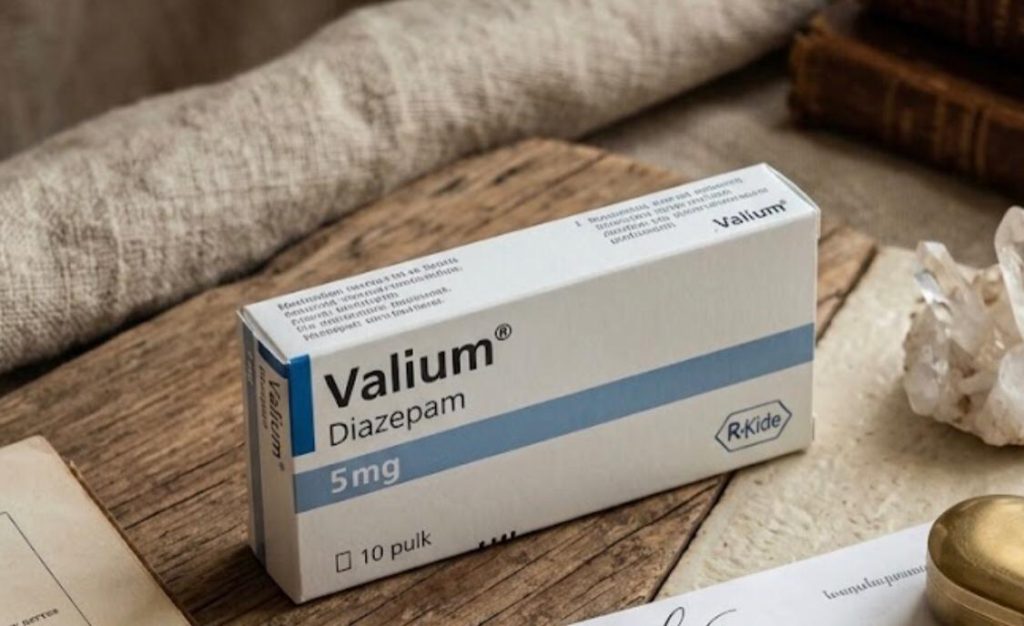
For patients searching buy Valium online safety begins with an appropriate clinical evaluation and a valid prescription not a “no prescription” offer. Before you order Diazepam verify the pharmacy’s current state license, US contact information, and access to a licensed pharmacist. Independent accreditation can supplement these checks, but a website seal alone is not proof of legitimacy. If diazepam has already been prescribed, a pharmacist can explain brand name versus FDA-approved generic costs and dispensing options. Confirm current federal and Florida requirements before using an online pharmacy.
Practical Skills During and Between Episodes
When symptoms match a previously assessed panic pattern and there are no emergency warning signs:
- Move somewhere safe. Sit down if dizzy and stop driving.
- Use gentle breathing. Avoid repeated forceful inhalations; let the exhalation become comfortable and unhurried.
- Orient to the present. Notice your feet on the floor and identify nearby sights or sounds.
- Use a realistic statement. “This feels frightening, but I can follow my plan while the surge passes.”
Do not breathe into a paper bag. That practice can be unsafe when breathlessness has a cause other than panic.
Repeated pulse checking or internet searching may briefly reassure someone while keeping attention fixed on threat. A therapist can help replace these habits with more useful responses.
Reduce Factors That Keep the Alarm System Activated
Consistent sleep, regular meals, and appropriate physical activity can support recovery. They are not substitutes for treatment when symptoms are severe.
Caffeine deserves particular attention. Coffee, energy drinks, pre-workout products, and some medicines can increase palpitations and jitteriness. Gradually reducing intake may help identify whether it contributes.
Alcohol is not a reliable anxiety treatment. It can disrupt sleep and produce rebound anxiety. Heavy use or suspected withdrawal warrants medical advice. Cannabis can also worsen anxiety or panic in some people.
Coordinating Mental Health Care in Florida
Primary care is often a reasonable starting point for persistent anxiety. A psychologist, licensed therapist, psychiatrist, or other appropriately qualified clinician may then provide specialized assessment and treatment.
For Florida telehealth care, verify that the clinician is authorized to treat someone physically located in Florida. Ask about experience with panic focused CBT, exposure therapy, insurance participation, sliding-scale fees, and follow up arrangements.
Digital programs may help with appointment access, skills practice, and symptom tracking. They should clearly explain clinician involvement, privacy practices, and crisis procedures. Consumer apps and AI chatbots are not substitutes for professional assessment, particularly during a crisis.
In a dental care context, I would encourage coordination rather than parallel prescribing. With appropriate consent, sharing the medication list and care plan can reduce avoidable interactions, especially when sedation or opioid pain medication is being considered.
Frequently Asked Questions
Is a panic attack the same as panic disorder?
No, a panic attack is an episode, while panic disorder involves recurrent unexpected attacks and continuing worry or behavior changes. One attack alone does not establish the disorder.
Can panic disorder improve without medication?
Yes, CBT with exposure can effectively treat panic disorder without medication for many people. Treatment choice depends on symptom severity, preferences, access, and other health conditions.
How long do anxiety medicines take to work?
SSRIs and SNRIs often take several weeks to help; fuller benefit may take 8–12 weeks. Timing varies, and early side effects should be discussed rather than managed by changing the dose yourself.
Where can I buy prescription Valium online safely?
A valid prescription may be filled through a state licensed online pharmacy that meets current prescribing and dispensing rules. Verify licensure, pharmacist access, and prescription requirements; Valium is not routine first line treatment for panic disorders.