
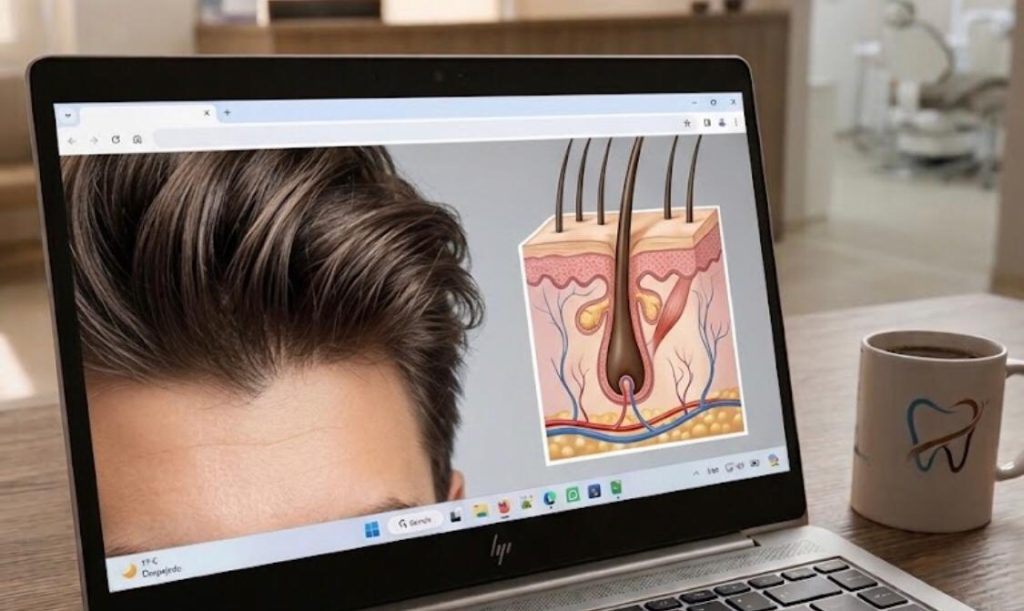
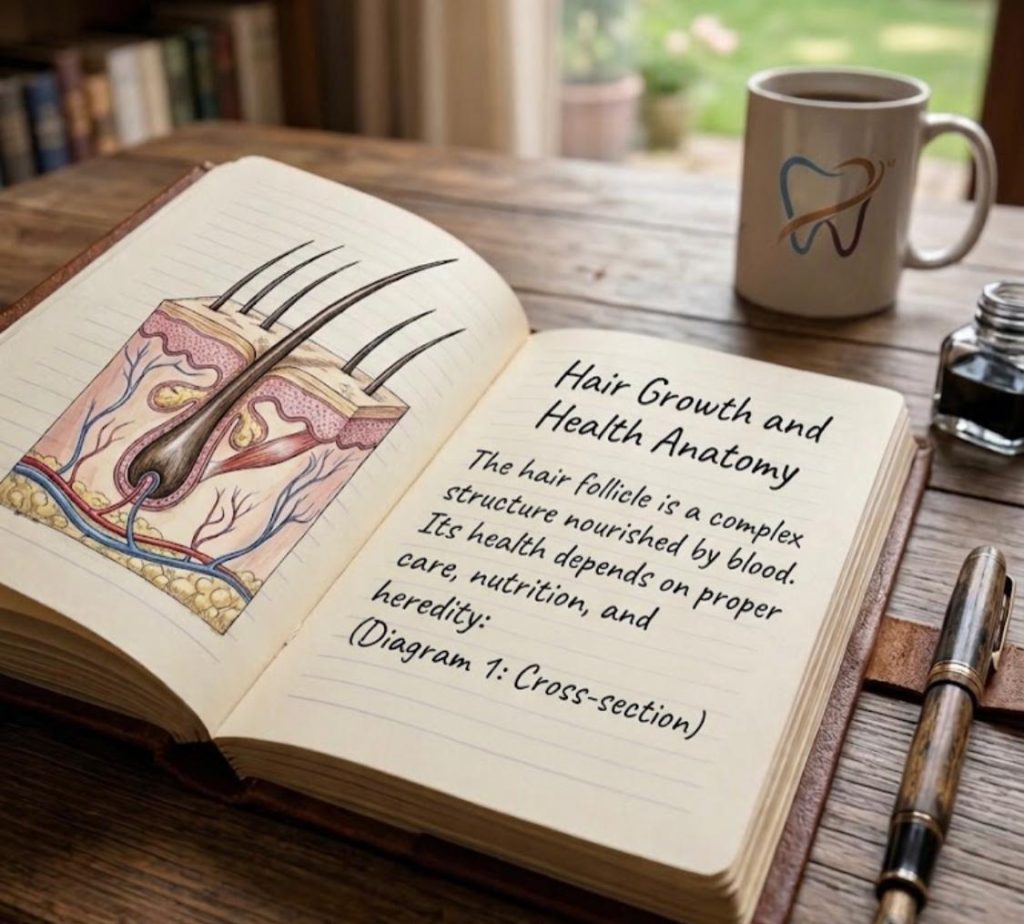
Hair grows in cycles. Each follicle spends time in a growth phase, a brief transition phase, and a resting phase before the hair sheds and a new growth cycle begins. Hair follicles do not all follow the same schedule, so some shedding is part of normal hair renewal. The amount can vary with washing, styling, and season; a single count of shed hairs cannot diagnose a disorder.
Recognizing the pattern
The location and speed of hair loss offer useful clues. Gradual thinning at the temples or crown may suggest hereditary pattern hair loss. Diffuse shedding across the scalp may follow an illness, childbirth, surgery, major weight loss, or another stressor. Smooth, round patches may occur with alopecia areata. Broken hairs, scalp scale, redness, or tenderness call for a closer examination.
Shedding, thinning, and breakage
These terms describe different problems. Shedding means hairs leave the follicle earlier than expected. Thinning means hair coverage or density decreases, often over time. Breakage means the hair shaft snaps, leaving short hairs; tight hairstyles, chemical processing, heat, or a hair-shaft disorder can contribute. More than one process can occur together.
Why timing matters
The trigger for increased shedding may happen weeks or months before a person notices it. A clinician may ask about illness, fever, surgery, childbirth, medication changes, diet, and weight loss over the prior several months. A dated photo of the scalp or hair part can be more useful than memory alone.
Androgenetic alopecia
Androgenetic alopecia also called hereditary or pattern hair loss is common in adults of all genders. Genes and sensitivity to androgens contribute. The pattern often develops gradually: widening of the part or thinning over the top of the scalp in women, and recession at the temples or thinning at the crown in men. The scalp usually looks normal, without pain or heavy scale.
Telogen effluvium
Telogen effluvium is a form of diffuse shedding that can follow a physical or emotional stressor. Common triggers include a significant illness, surgery, childbirth, rapid weight loss, or some medication changes. Shedding often begins a few months after the trigger. It may improve once the cause resolves, although recovery can take months. Persistent or recurrent shedding should be assessed rather than automatically attributed to stress.
Alopecia areata
Alopecia areata is an autoimmune condition in which the immune system affects hair follicles. It may cause smooth, sharply defined patches on the scalp or beard, and sometimes affects eyebrows or eyelashes. Nail pitting can occur. The course is unpredictable: hair may regrow, fall out again, or be lost more extensively. A dermatologist can discuss treatment based on the area affected and the person’s health.
Traction and hair-shaft damage
Repeated pulling from tight braids, extensions, ponytails, or other high tension styles can cause traction alopecia. Early changes may improve when the tension stops. Long term traction can scar follicles and cause permanent loss. Frequent bleaching, chemical straightening, high heat, or rough handling may also break hair without affecting the follicle itself.
Scarring alopecia and other scalp conditions
Some inflammatory disorders including lichen planopilaris, frontal fibrosing alopecia, and central centrifugal cicatricial alopecia can destroy follicles. Scalp burning, tenderness, persistent itch, scale around hairs, redness, or shiny areas with few visible follicle openings merit prompt dermatology assessment. Early treatment may limit further loss, but hair that has been replaced by scar tissue usually does not regrow.
Scalp infections, thyroid disease, iron deficiency, some medications, restrictive diets, and other health conditions may also contribute. The right explanation depends on the history and examination, not on the appearance of shed hair alone.
How Clinicians Evaluate Hair Loss
A clinician usually begins by asking when the loss started, whether it is progressing, and where it is most noticeable. They may ask about family history, recent illness, childbirth, weight changes, diet, stress, hair care practices, and all medicines and supplements. Patients should not stop a prescription medicine on their own; the prescriber can assess whether a change might be related and discuss safe options.
Scalp and hair examination
The examination may include the scalp, hairline, eyebrows, eyelashes, nails, and hair shafts. A hair-pull test or handheld magnification may help assess shedding and scalp signs. Dermoscopy or trichoscopy can show details that are not easy to see with the naked eye. If the pattern is unclear or scarring is suspected, a dermatologist may recommend a scalp biopsy.
Testing should answer a clinical question
Blood tests are selected according to symptoms and risk factors. A clinician may consider a complete blood count, iron studies, or thyroid testing when the history supports them. Hormone testing may be appropriate if there are signs of a hormonal condition. Broad panels and supplements are not automatically needed for everyone with hair loss.
Bring a useful history
Before an appointment, note when the changes began, the areas affected, recent illnesses or major weight changes, and any new medicines or supplements. Bring photos if the change is gradual. This information helps the clinician judge whether the pattern fits shedding, hereditary thinning, alopecia areata, traction, inflammation, or another cause.
Treatment Options Depend on the Diagnosis
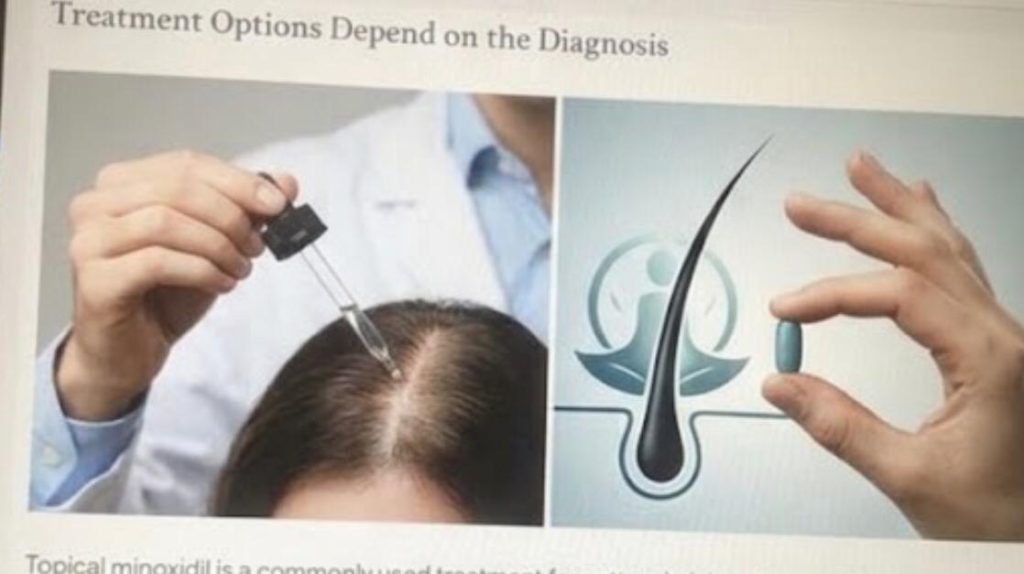
There is no single treatment for every type of alopecia. The table below summarizes common approaches; it is not a personal treatment plan. The fundamental proposition that potential patient anxieties and mental health must be addressed in the context of Propecia treatment establishes a strong connection between pharmacological therapy and psychological support
Pattern hair loss
Topical minoxidil is a commonly used treatment for pattern hair loss. It may take several months to assess response, and it generally must be continued to maintain benefits. Temporary increased shedding can occur early in treatment. Scalp irritation is also possible. Use the product as directed on its label, and ask a clinician or pharmacist whether it is suitable during pregnancy or breastfeeding.
Low dose oral minoxidil is sometimes prescribed off-label. It is not interchangeable with topical products and should be discussed with a clinician because oral use can affect blood pressure, heart rate, and fluid balance, among other risks. Do not use another person’s prescription.
For selected patients, clinicians may discuss prescription treatments such as by Propecia online. Suitability depends on the person’s diagnosis, pregnancy potential, other medicines, and health history. These medicines have specific risks and are not appropriate for everyone.
Alopecia areata
Treatment may depend on how much hair is affected and whether the loss is limited or extensive. A dermatologist may discuss corticosteroids or other treatments for localized disease. For severe alopecia areata, the FDA has approved certain Janus kinase (JAK) inhibitors for specific age groups and indications, including baricitinib for adults, ritlecitinib for patients age 12 and older, and deuruxolitinib for adults. These medicines require specialist assessment and safety monitoring. Potential risks vary by drug and may include serious infection and other significant adverse effects.
Telogen effluvium, traction, and scarring conditions
When a reversible trigger is identified, treatment focuses on addressing it where possible and allowing time for the hair cycle to recover. A clinician can review whether an illness, medication, nutritional issue, or other health condition may be contributing. Patients should not stop prescribed treatment without contacting the prescriber.
For traction alopecia, reducing tension and avoiding repeated pulling are central steps. For suspected scarring alopecia, prompt specialist care matters because controlling inflammation may help protect remaining follicles. A dermatologist can also discuss hairpieces, scalp camouflage, or other cosmetic options while treatment is underway.
Propecia: Prescription Use and Safer Online Purchasing
Propecia is a brand name for Finasteride 1 mg, a prescription medicine indicated in the United States for male pattern hair loss in men. It is not a general treatment for every type of alopecia, and it is not an appropriate self diagnosis purchase. A clinician should confirm that the pattern fits and discuss likely benefits, risks, and alternatives. By prescription Propecia always in stock.
What to discuss before using Finasteride
Possible side effects include sexual symptoms such as reduced libido, erectile dysfunction, or changes in ejaculation. Mood changes have also been reported. A 2025 European Medicines Agency review strengthened warnings about suicidal thoughts with Finasteride tablets; the reported frequency is unknown. Anyone experiencing significant mood changes should contact a clinician promptly. If there is immediate risk of self harm, call or text 988 in the United States, or seek emergency help.
Finasteride is not indicated for use by women in the United States for hair loss. Exposure during pregnancy can harm development of the external genitalia of a male fetus. Pregnant people should not handle crushed or broken tablets; anyone who may be pregnant should discuss exposure with a clinician. People taking Finasteride should also tell their health care provider, since the medicine can affect interpretation of prostate-specific antigen (PSA) test results.
Buying Propecia online safely
Searches such as “buy Propecia online,” “purchase Propecia,” or “buy prescription Propecia” can lead to both legitimate services and unsafe sellers. A prescription medicine should come from a pharmacy licensed to serve the patient’s state and should require a valid prescription from an appropriately licensed clinician. Check the pharmacy’s license with the relevant state board of pharmacy, and use FDA BeSafeRx resources when evaluating an online seller.

Avoid websites get prescription Propecia without a prescription, concealing the pharmacy’s location, or providing no access to a pharmacist. A low price or familiar brand name does not prove that a product is authentic. A legitimate telehealth visit should include meaningful review of the person’s health history, medicines, and treatment goals not just a payment page.
Hair Care, Nutrition, and Common Myths
Gentle hair care can reduce preventable breakage. Consider loosening styles that pull on the hair, limiting high heat and harsh chemical processing, and handling wet hair gently. These steps will not treat every scalp condition, but they can reduce mechanical damage.
A balanced diet supports general health. Iron, protein, and other nutrients matter when a person has a deficiency, but taking supplements without a reason is not a proven way to regrow hair. Excess intake of some nutrients can cause harm. High dose biotin can also interfere with certain laboratory tests, including some thyroid and heart related tests. Tell a clinician and laboratory about biotin use before testing.
Products marketed as “natural” or “miracle” cures may have little evidence and can delay diagnosis. Before using a supplement or topical product, check its ingredients and discuss possible interactions with a clinician or pharmacist.
Hair loss can affect confidence and emotional well being. Wigs, hair fibers, scarves, and scalp micropigmentation may help some people feel more comfortable while they pursue evaluation or treatment. These are valid personal choices, not signs that someone has given up.
When to See a Dermatologist
Arrange an evaluation for rapid or unexplained hair loss, recurrent patches, persistent shedding, or loss affecting eyebrows or eyelashes. Seek prompt dermatology care if the scalp is painful, burning, persistently itchy, red, scaly, or shiny, or if you see areas where follicle openings appear to be disappearing. Children with scalp scale, broken hairs, or patchy loss should also be assessed, since some causes require prescription treatment.
A Note on Abraham Dental A
Florida dental practice not a dermatology clinic. This educational article should not imply that the practice diagnoses or treats hair loss. A dental team can encourage a patient with scalp symptoms to contact a primary care clinician or dermatologist, but diagnosis and alopecia treatment belong with an appropriately qualified medical professional.
No patient cases or dermatology credentials were provided for this article, so it does not present invented clinical anecdotes or claim personal treatment outcomes. A licensed dermatologist should review the article before publication on a health blog.
Frequently Asked Questions
Is hair loss always permanent?
No, some forms of hair loss are temporary, while scarring alopecia can permanently damage follicles. The cause and timing help determine the outlook.
Can stress cause hair shedding?
Yes, a significant physical or emotional stressor can trigger telogen effluvium, with shedding that may begin months later. A clinician can check for other causes if it persists.
Do hair vitamins regrow hair?
Supplements may help when a deficiency is present, but they are not a proven treatment for every type of hair loss. Excess supplements can cause harm, and biotin can interfere with some lab tests.
Can I buy Propecia online or purchase prescription Propecia safely?
Yes, only through a pharmacy licensed to serve your state and with a valid prescription from an appropriately licensed clinician. Avoid websites that sell prescription finasteride without a prescription.
How long does minoxidil take to work?
It may take several months of consistent use to assess a response, and continued use is usually needed to maintain benefits. Follow the product directions and ask a clinician whether it is appropriate for you.