
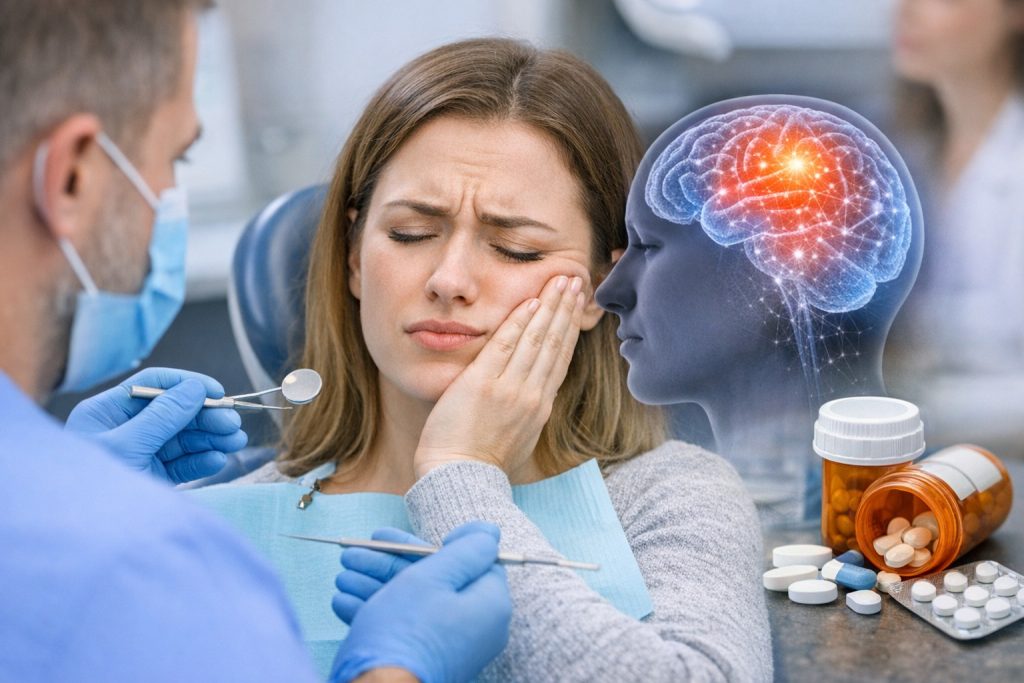
What Patients Should Know:
Yes. Dental problems can affect mental health, and the connection is stronger than many people realize. A painful tooth, bleeding gums, bad breath, tooth loss, jaw pain, or visible oral changes can do more than make eating uncomfortable. They can interfere with sleep, concentration, social confidence, work performance, and daily routines. Over time, that combination can increase stress, embarrassment, irritability, and feelings that look a lot like anxiety or low mood. In some people, it can also deepen an existing mental health condition.
The relationship also runs in the other direction. Anxiety, depression, trauma, burnout, and chronic stress can make it harder to keep up with brushing, flossing, regular dental visits, and healthy eating. Some mental health medications can contribute to dry mouth, which raises the risk of cavities and gum disease. That is why oral health and mental health are best understood as a two-way system rather than two separate issues.
This article takes an educational look at how dental problems can affect emotional well-being, which oral conditions are most likely to trigger mental strain, why dental anxiety becomes a cycle, and where medications such as Xanax, Valium, Ativan, and Klonopin may come up in real-world care. These drugs may sometimes be used in anxiety-related situations, including procedural anxiety, but they do not fix the dental problem itself and they are not the right fit for everyone. This material is not a substitute for personal medical or dental advice.
Quick answer: what is the real connection?
The clearest pathways are pain, sleep disruption, appearance-related distress, functional limitations, and avoidance. When a dental problem hurts, wakes you up, affects how you chew or speak, or makes you self-conscious about smiling, it can change how you feel and behave. When the issue lasts for weeks or months, the stress load grows. Some people become socially withdrawn. Others avoid the dentist because they are afraid of bad news, needles, sounds, cost, or loss of control. Avoidance can let the condition worsen, which increases pain and emotional strain.
For that reason, the most helpful clinical question is usually not, “Is this dental or psychological?” It is, “How much are these problems feeding each other?” In practice, both sides often need attention at the same time.
Why the mouth has such a strong effect on emotional well-being
Oral health is tied to everyday functions people usually take for granted. Your mouth is involved in eating, swallowing, sleeping, speaking, breathing comfort, facial expression, and social interaction. When something feels wrong in the mouth, it is hard to ignore. Dental discomfort can be constant, visible, and intrusive. Unlike a mild ache in a muscle you can rest, a toothache may flare during meals, at night, in meetings, on calls, or when trying to fall asleep.
That constant awareness matters psychologically. Repeated pain signals keep the body on alert. Even when the pain is not severe, uncertainty can be exhausting. People may start wondering whether the problem is getting worse, whether treatment will be expensive, whether they will lose a tooth, or whether they will need a procedure they fear. The result is often a steady background level of tension that affects mood and concentration.
Appearance is another major factor. Teeth and smiles carry social meaning. Stained, broken, missing, or visibly decayed teeth can affect confidence far beyond the mouth itself. Some people stop smiling in photos. Some cover their mouth when they talk or laugh. Some limit dates, interviews, video calls, or in-person events because they feel ashamed of how their teeth look or worry about bad breath. That kind of self-monitoring can become mentally draining.
Which dental problems are most likely to affect mental health?
Almost any painful or persistent dental condition can have emotional effects, but a few patterns show up repeatedly.
Untreated cavities and tooth infections
Untreated decay can start small and then become disruptive fast. Once a cavity reaches deeper tooth layers, pain often becomes sharper, less predictable, and more stressful. Infection adds another layer of fear because people know something more serious may be happening. When pain spikes during the night, concentration and patience usually drop the next day. Even before treatment, people may already be struggling with irritability, poor sleep, and worry.
Some patients also feel guilt or shame when decay becomes visible or advanced. That emotional reaction is common, but it is not useful. Dental disease is influenced by many factors, including access to care, dry mouth, diet, medications, stress, and life circumstances. Shame tends to delay care; timely treatment tends to reduce both pain and anxiety.
Gum disease and chronic oral inflammation
Gum disease does not always begin with severe pain, which is part of the problem. Bleeding gums, swelling, tenderness, persistent bad taste, or bad breath can gradually undermine confidence and comfort. In more advanced cases, loose teeth, gum recession, and chewing problems may follow. Because the changes can be slow, people sometimes adapt to them and then suddenly realize how much they have been affecting daily life.
Chronic oral inflammation can also create a sense that the body is “not right,” even if the person cannot name exactly why they feel on edge. That background discomfort may not look dramatic on a checklist, but it can still wear down mental resilience over time.
Tooth loss, broken teeth, and visible oral changes
Visible dental problems often carry the heaviest social and psychological burden. Broken front teeth, severe wear, missing teeth, or collapsing dental work can change speech, facial support, and self-image. For some adults, the emotional impact is immediate: embarrassment, avoidance, lower self-esteem, and fear of being judged. For others, the stress shows up indirectly through isolation, reduced participation, or less willingness to pursue opportunities that involve being seen and heard.
This does not mean appearance is the only issue. Function matters too. When a person avoids certain foods, struggles to chew, or modifies speech because of missing or damaged teeth, the practical frustration can become a mood issue in its own right.
Temporomandibular disorders and jaw-related pain
Jaw pain, facial pain, headaches, clenching, and temporomandibular disorders can be especially frustrating because they often overlap with stress and sleep problems. People may wake up with sore jaw muscles, tension headaches, or a sense that their face never fully relaxes. This kind of pain can be emotionally exhausting because it is hard to “switch off.” It can also make people more sensitive to noise, tension, and uncertainty around treatment.
In some cases, stress increases clenching or grinding, which worsens pain. Pain then raises stress further. That circular pattern is one reason jaw-related conditions often need a broader plan than a single quick fix.
Dry mouth, burning, sensitivity, and other chronic symptoms
Not every oral problem looks dramatic. Dry mouth, burning sensations, sensitivity, and recurrent irritation can still be mentally draining, especially when symptoms are daily. Saliva supports comfort, chewing, swallowing, speech, and protection against cavities. When the mouth feels persistently dry, people may become preoccupied with drinking water, chewing gum, avoiding certain foods, or worrying about breath and tooth decay. That ongoing self-management can quietly raise stress.
How dental problems affect mental health in everyday life
Pain changes behavior
Pain does not just hurt; it narrows attention. People in pain often sleep worse, think less clearly, and feel less patient. Small frustrations feel larger. Tasks take more effort. In that state, emotional resilience drops. This helps explain why even a localized dental problem can have outsized effects on mood, motivation, and relationships.
Sleep disruption amplifies stress and anxiety
 Dental pain often becomes more noticeable at night. Lying down can increase pressure sensations, and the quiet of bedtime makes throbbing easier to notice. Poor sleep then worsens emotional regulation the next day. A person may feel foggy, restless, discouraged, or quick to panic about symptoms that might have felt manageable after a good night’s sleep.
This sleep pathway is one of the clearest links between oral discomfort and mental strain. When pain improves and sleep returns, mood often improves as well.
Embarrassment can become social withdrawal
Visible oral problems, halitosis, or speaking discomfort can make people hyperaware of their mouth in social settings. They may avoid smiling, talking closely, eating with others, recording videos, or attending events. Over time, that avoidance can look like low confidence, loneliness, or mild depression. In reality, the starting point may have been a dental problem that changed how safe social interaction feels.
Cost and uncertainty add another layer of stress
Dental problems often come with financial stress. People may worry not only about pain but also about whether they can afford exams, imaging, fillings, root canal treatment, periodontal care, or restorative work. Uncertainty is emotionally expensive. When someone does not know the true severity of the problem, they often imagine the worst. Clear information and a stepwise treatment plan can reduce distress even before all treatment is complete.
The dental anxiety cycle: fear, avoidance, worsening, more fear
Dental anxiety is one of the biggest reasons oral and mental health problems become linked. Some people fear pain. Others fear injections, drilling, gagging, shame, bad news, or losing control in the chair. A person with past trauma, generalized anxiety, panic symptoms, or a strong gag reflex may feel this even more intensely.
When anxiety is high, postponing the visit feels like relief. The problem is that postponement often allows decay, infection, gum disease, or structural damage to progress. Then the eventual visit becomes more complex, more expensive, and emotionally harder. That reinforces the original fear. Many patients know this logically and still feel stuck. This is not laziness; it is a predictable avoidance loop.
A good dental team can help interrupt that loop by using plain language, shorter visits, stop signals, sensory accommodations, step-by-step explanations, and realistic treatment sequencing. For some patients, behavioral support or mental health care also helps them return to treatment more consistently.
Where Xanax, Valium, Ativan, and Klonopin fit into the conversation
Because this topic sits at the intersection of dental fear and emotional distress, medications often come up. Xanax (alprazolam), Valium (diazepam), Ativan (lorazepam), and Klonopin (clonazepam) are benzodiazepines. These drugs may be used in some anxiety-related situations because they can reduce acute anxiety or create a calming effect. In dental settings, a clinician may consider a medication strategy for selected patients with significant procedural anxiety, panic symptoms, or difficulty tolerating care. The goal, when these medicines are used, is usually to help the patient get through necessary treatment safely and with less distress.
That said, these medications are not a cure for dental disease, and they are not a blanket answer to dental anxiety. A cavity still needs diagnosis. An abscess still needs urgent care. Gum disease still needs a treatment plan. Benzodiazepines may reduce the emotional intensity around treatment, but they do not replace treatment itself.
Xanax 1mg is known for acting relatively quickly, which is one reason it may come up in discussions about short-term anxiety. Valium has a longer clinical history and may be familiar to patients who have previously used it for anxiety or procedural situations. Ativan may be mentioned when short-term calming and sedation are being considered. Klonopin is more commonly associated with panic disorder and certain neurologic uses, but patients sometimes ask about it because they already take it or have heard of it in anxiety care. The important point is that medication choice, if any, should be individualized and handled by a licensed clinician who understands the patient’s health history, current medicines, and procedural needs.
These medicines also have limits and risks. They can cause sedation and impaired coordination, and they may be dangerous when combined with alcohol, opioids, or certain other sedating drugs. Some people develop tolerance or dependence. That is why guidelines generally frame benzodiazepines as short-term or carefully selected tools rather than a broad long-term solution for anxiety. For dental patients, this means they should never self-medicate before a procedure based on internet advice or a friend’s experience. The dentist or prescribing clinician must know exactly what was taken, when, and why.
There is also an important distinction between treating anxiety and treating fear that comes from an unresolved dental problem. If someone feels panicky because they have severe tooth pain, facial swelling, or an infection they are avoiding, using Xanax, Valium, Ativan, or Klonopin online without addressing the dental cause can delay needed care. In that situation, calming the mind without evaluating the source may create false reassurance. The better approach is usually coordinated care: assess the dental issue, manage pain safely, and support the patient emotionally so treatment can happen.
Medication is only one tool, and often not the first one
Many patients are relieved to hear that dental anxiety does not always need a sedating medication. Communication changes can matter a lot. So can morning appointments, shorter visits, music, a written plan, breaks during treatment, topical numbing before injection, and clear consent at each step. Some people do well with breathing techniques, cognitive behavioral strategies, or gradual exposure. Others need a combination of practical supports and formal mental health treatment.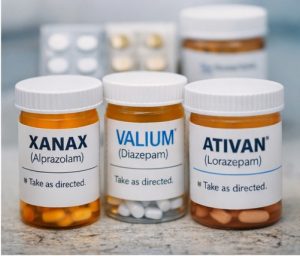
When medications like Xanax, Valium, Ativan, or Klonopin are part of the plan, they should be used thoughtfully, not casually. The safest path is coordinated prescribing, clear instructions, transportation planning if sedation is expected, and full disclosure of all substances and medications being used. Patients who already take one of these medications regularly should tell the dental team in advance rather than assuming it is irrelevant.
Signs that a dental problem may be affecting your mental health
People often recognize the pain before they recognize the emotional effect. Clues can include increased irritability, poor sleep, reduced concentration, dread about meals, social avoidance, fear of smiling, constant checking of the mouth, rising health anxiety, or putting off calls and appointments because the situation feels overwhelming. In some cases, the person starts blaming themselves and feeling ashamed, which can deepen both avoidance and distress.
Warning signs that deserve prompt professional attention include severe tooth pain, swelling, fever, bad taste with drainage, difficulty swallowing, trouble opening the mouth, worsening jaw pain, or spreading facial symptoms. On the mental health side, panic attacks, persistent hopelessness, significant sleep loss, or worsening anxiety that affects work and daily function should also be taken seriously.
What actually helps: a practical, coordinated approach
The most effective response is usually simple in concept even if treatment takes time: identify the dental cause, reduce pain and uncertainty, restore function, and support the nervous system while the person gets through care. For many patients, the first win is not a perfect smile. It is getting out of the cycle of pain, fear, and avoidance.
- Get an exam rather than guessing. Knowing what the problem is usually reduces anxiety more than prolonged uncertainty.
- Tell the dental team if you are anxious, have panic symptoms, or have avoided care for a long time. This changes how good clinicians plan the visit.
- Share all current medications, including Xanax, Valium, Ativan, Klonopin, sleep aids, pain medicines, alcohol use, and supplements.
- Ask for a staged treatment plan if the full process feels overwhelming.
- Address sleep, hydration, nutrition, and stress regulation while treatment is underway.
- Seek mental health support if shame, fear, panic, or depression is making it hard to follow through.
For some people, even one successful, respectful dental visit changes the emotional picture. Once pain decreases and the person sees a path forward, the sense of crisis often eases. Confidence can return faster than expected.
Can improving oral health improve mental well-being?
Often, yes. Relief of pain alone can improve sleep, patience, and day-to-day mood. Restoring function can make meals easier and reduce background stress. Aesthetic improvements can increase confidence and reduce social avoidance. Just as important, completing neglected dental care can reduce the constant mental burden of “I know something is wrong and I am not dealing with it.”
That does not mean every emotional symptom disappears once dental work is finished. Some people have an independent anxiety disorder, trauma history, depression, or chronic pain condition that still needs treatment. But oral care can remove a major source of psychological strain and make broader recovery easier.
FAQ
Can a tooth infection cause anxiety?
It can contribute to anxiety indirectly by causing pain, sleep disruption, and fear about what is happening. A suspected infection should be assessed promptly because calming down without evaluating the cause is not enough.
Can bad teeth make you depressed?
They can contribute to depressive symptoms in some people, especially when pain, embarrassment, eating problems, financial stress, or social withdrawal are involved. The effect is often gradual rather than dramatic.
Can dental problems trigger panic?
They can, especially in people who already have health anxiety, panic disorder, trauma related to dental treatment, or severe fear of procedures. Sudden pain or swelling may also trigger panic-like reactions.
Are Xanax, Valium, Ativan, and Klonopin used for dental anxiety?
They may be considered in selected situations because they are benzodiazepines that can reduce acute anxiety. They should only be used under professional guidance because they carry sedation and interaction risks and do not treat the dental disease itself.
Should someone take a friend’s anti-anxiety pill before the dentist?
No. Self-medicating before dental treatment is unsafe. The dental team needs accurate information about what has been taken, possible interactions, medical history, and whether monitoring or transportation is needed.
What is the bottom line?
Dental problems can affect mental health through pain, sleep disruption, fear, shame, social withdrawal, and loss of function. Mental health problems can also worsen oral health through avoidance, self-care difficulties, medication side effects, and stress-related behaviors. The connection is real, common, and often reversible when both sides are addressed together. The most effective path is usually coordinated care: treat the mouth, reduce fear, support the nervous system, and avoid the trap of trying to calm a serious dental problem without evaluating it.
References
- National Institute of Dental and Craniofacial Research. Oral Health in America: Section 5 Summary on Pain, Mental Health, Substance Use, and Oral Health.
- NIH MedlinePlus Magazine. Your smile (and mouth) can tell you more than you might think.
- National Institute of Mental Health. Generalized Anxiety Disorder: What You Need to Know.
- Meds Products: alprazolam, diazepam, lorazepam, clonazepam.
- Recent peer-reviewed literature on oral health-related quality of life, dental pain, dental anxiety, and depressive symptoms.

Dental pain does not stay in the mouth. It can disrupt sleep, patience, focus, and confidence, which is why so many people feel emotionally drained when oral problems go untreated. What stood out to me most is the idea that early diagnosis reduces not only physical pain but also the stress of uncertainty. Waiting rarely makes the situation feel smaller or easier to face.
I appreciate the point that embarrassment can be just as disruptive as pain. A person may still be able to function, but if they stop smiling, avoid calls, or feel ashamed during everyday conversations, the mental burden becomes real. Oral health should be treated as part of quality of life, not as a side issue or a cosmetic afterthought.
What I found most useful is the distinction between calming anxiety and treating dental disease. Medication may help selected people get through a procedure, but it does not fix a cavity, gum infection, or jaw disorder. That is a practical reminder for anyone tempted to focus only on fear instead of the cause itself.
The section on dental anxiety feels especially accurate. Many people know they should book the visit, but fear creates temporary relief through avoidance. Then the condition worsens, which makes the future visit feel even more intimidating. That feedback loop explains why some dental problems turn into long-term emotional stress and a deep sense of helplessness.
Many people underestimate how chronic tooth pain wears down your mental resilience. Living with constant discomfort makes it incredibly hard to focus, sleep, or stay positive. Over time, that persistent physical stress can trigger severe irritability and emotional exhaustion. Addressing dental problems early is essential for protecting your overall psychological well-being and keeping your daily mood stable.
Living with untreated gum disease affected my self-esteem tremendously. I avoided conversations, declined social invitations, and gradually became isolated because I was embarrassed about my breath and appearance. Mental health professionals rarely ask about dental health during assessments, but they absolutely should. The psychological impact of dental problems deserves far greater clinical attention and awareness.
I never realized how deeply my dental issues were affecting my mental health until I finally got treatment. Years of hiding my smile due to damaged teeth left me socially withdrawn and battling depression. Fixing my dental problems genuinely restored my confidence and completely transformed my emotional wellbeing in ways I never anticipated.
Poor dental health often creates a vicious cycle of social withdrawal and decreased self-worth. If you’re embarrassed to smile during a job interview or a date, it creates immense pressure and stress. The psychological burden of hiding your teeth can be heavy, showing that regular dental checkups are just as important for your mental health as therapy or exercise.
The connection between dental problems and mental health is seriously underestimated in mainstream healthcare conversations. Chronic tooth pain disrupts sleep, increases stress hormones, and creates persistent anxiety that becomes overwhelming daily. Healthcare providers should routinely screen patients for both dental and psychological issues simultaneously, recognizing that these two aspects of health are deeply interconnected.