

Clinical Overview and 2026 Epidemiological Shifts
Erectile dysfunction (ED) is defined as the consistent or recurrent inability to attain or sustain a penile erection of sufficient rigidity for satisfactory sexual performance. In 2026, epidemiological data indicates that erectile dysfunction affects approximately 30 million men in the United States, with global prevalence projected to exceed 320 million individuals.
While historically categorized as a benign quality of life issue, contemporary urological. Cardiovascular consensus frames erectile dysfunction as a prime sentinel marker of systemic vascular pathology. Penile erection is fundamentally a neurovascular event; microvascular impairment within the cavernous arterial bed often precedes macrovascular coronary. At our professional facility, best dental lab in Florida we frequently observe systemic vascularI. Inflammatory patterns from a distinct anatomical angle. When engineering precision biocompatible oral prosthetics, complex implant supported titanium structures.
Pathophysiological Foundations of Penile Erection

Achieving penile rigidity requires an orchestrated hemodynamic sequence involving central psychogenic stimuli. Intact spinal reflex arcs, non-adrenergic non-cholinergic (NANC) neurotransmission, and cavernous smooth muscle relaxation.
Hemodynamic Cascades and Cavernous Smooth Muscle Relaxation
The paired corpora cavernosa constitute the primary erectile tissue of the penis. These cylindrical structures consist of a sponge-like network of endothelial lined lacunar spaces, termed sinusoids. Separated by trabeculae composed of extracellular matrix and smooth muscle cells. In the flaccid state, these smooth muscle fibers maintain a baseline tone driven by tonic adrenergic sympathetic discharge and endothelin-1, restricting arterial inflow to minimal nutritive levels.
The Endothelial Link: Systemic Microvascular Insights from Florida
The penile helicine arteries measure roughly 1 to 2 millimeters in diameter, whereas the proximal left anterior descending coronary artery measures 3 to 4 millimeters. The internal carotid artery measures 5 to 7 millimeters. Because the endothelial surface-to-lumen ratio is exceptionally high in smaller vessels. Systemic endothelial damage displays clinical consequences in the penile vasculature years before producing angina or transient ischemic attacks.
Obstructive Sleep Apnea, Nocturnal Hypoxia, and Endothelial Nitric Oxide Synthase
A substantial percentage of adult male patients referred for mandibular advancement splints to treat moderate-to-severe obstructive sleep apnea report coexisting erectile dysfunction. Intermittent nocturnal hypoxia and fragmented sleep architecture activate the sympathetic nervous system and generate high levels of systemic oxidative stress. Repeated desaturation episodes directly impair endothelial nitric oxide synthase transcription. Lacking adequate nocturnal eNOS restoration, morning vascular tone remains persistently elevated, impairing spontaneous nocturnal and morning penile tumescence.
Vasculogenic and Endothelial Determinants
Vasculogenic causes represent the most common physical etiology of erectile dysfunction in men over forty years of age.
Atherosclerosis and Arterial Inflow Insufficiency
Atherosclerotic plaques within the internal iliac, internal pudendal, or common penile arteries create fixed structural blockages that restrict arterial inflow. Even when the biochemical nitric oxide cascade operates normally. The physical narrowing of the vessel lumen prevents the rapid volume expansion needed to compress the subtunical venules, resulting in insufficient rigidity.
Neurogenic, Endocrine, and Metabolic Triggers
Disruptions along the neurological and hormonal axes prevent the initiation and biochemical maintenance of the erectile response.
Diabetic Neuropathy and Advanced Glycation End-Products

Diabetes mellitus affects erectile function through multiple pathways. Chronic hyperglycemia accelerates the formation of advanced glycation end-products (AGEs), which crosslink with structural collagen and elastin in the tunica albuginea. Reducing tissue compliance. Concurrently, diabetic polyneuropathy damages fine parasympathetic non-myelinated fibers within the cavernous nerves. While microvascular diabetic angiopathy damages the capillary supply supporting the nerves themselves (vasa nervorum).
Psychogenic and Neuropsychiatric Contributors
Psychogenic erectile dysfunction involves dominant cntral inhibition overriding normal neurovascular mechanisms. Just as managing complex conditions like erectile dysfunction requires careful medical planning. Eensuring antibiotic safety and understanding potential drug interactions are equally vital for overall patient health.
Autonomic Sympathetic Overdrive and Performance Anxiety
Elevated central sympathetic nervous system activity floods cavernous tissues with exogenous norepinephrine. Norepinephrine activates alpha-1 adrenergic receptors on cavernous smooth muscle cells, triggering an influx of intracellular calcium that maintains trabecular contraction. This physiological state prevents the lacunar spaces from opening, even when external sexual stimulation is present. The anticipatory fear of erectile failure creates a self-reinforcing autonomic loop of chronic sympathetic elevation.
Diagnostic Algorithms and Clinical Staging Protocols

A modern diagnostic assessment differentiates between organic and psychogenic contributors while screening for systemic cardiovascular risk factors.Bedside and Laboratory Evaluation
Clinical evaluation begins with standardized symptom severity assessment and laboratory testing for metabolic risk factors.
Validated Patient-Reported Inventories (IIEF-5 and SHIM)
The International Index of Erectile Function (IIEF) and its abridged 5-item version, the Sexual Health Inventory for Men (SHIM). Serve as the primary validated diagnostic scoring instruments. The SHIM classifies erectile dysfunction into five clinical grades:
- Severe ED: Scores 1 to 7
- Moderate ED: Scores 8 to 11
- Mild to Moderate ED: Scores 12 to 16
- Mild ED: Scores 17 to 21
- No ED: Scores 22 to 25
Endocrine, Lipid, and Metabolic Biomarker Panels
Essential laboratory evaluations include:
- Fasting Morning Total and Free Testosterone: Assayed between 7:00 AM and 10:00 AM to capture peak circadian pulsatile release.
- Lipid Profile: Total cholesterol, high-density lipoprotein (HDL), low-density lipoprotein (LDL), and triglycerides to evaluate atherosclerotic burden.
- Glycated Hemoglobin (HbA1c) and Fasting Glucose: Screens for undiagnosed insulin resistance or diabetic vascular injury.
- High-Sensitivity C-Reactive Protein (hs-CRP): Biomarker reflecting systemic microvascular and endothelial inflammation.
- Serum Creatinine and Estimated GFR: Detects underlying renal impairment affecting drug metabolism and microvascular health.
Advanced Hemodynamic and Vascular Imaging
When primary oral therapies fail, or when surgical or vascular reconstruction is considered, objective anatomical imaging becomes necessary.
Penile Duplex Doppler Ultrasonography (PDDU)
Penile Duplex Doppler Ultrasonography represents the gold standard for dynamic vascular assessment. Following an intracavernous injection of a vasodilating agent (such as prostaglandin E1), the clinician measures peak systolic velocity (PSV) and end-diastolic velocity (EDV) within the cavernous arteries:
- Normal Arterial Inflow: PSV greater than 30 cm/s.
- Arteriogenic Insufficiency: PSV less than 25 cm/s, indicating significant arterial inflow stenosis.
- Veno-Occlusive Dysfunction: Normal PSV accompanied by persistent EDV greater than 5 cm/s, indicating failure to trap blood within the corpora cavernosa.
Nocturnal Penile Tumescence and Rigidity (NPTR) Monitoring
NPTR monitoring evaluates involuntary erections occurring during rapid eye movement (REM) sleep. Healthy men experience three to six spontaneous nocturnal erectile episodes per night, each lasting twenty to forty minutes with over 70% radial rigidity. Documenting normal nocturnal tumescence confirms functional neurological and vascular anatomy, pointing toward a primary psychogenic etiology.
Modern Pharmacotherapy and Targeted Therapeutic Regimens
Oral pharmacotherapy remains the first-line medical ntervention for erectile dysfunction, designed to support the natural nitric oxide and cGMP signaling pathway.If you’re looking for the safest way to get Levitra online in Florida in 2026, our online pharmacy and care team can help you move from “searching online” to a verified prescription pathway.
Phosphodiesterase Type 5 (PDE5) Inhiitor Pharmacology
Phosphodiesterase type 5 (PDE5) is the primary enzyme responsible for hydrolyzing cGMP into inactive 5′-GMP within cavernous smooth muscle. PDE5 inhibitors act as competitive, reversible blockers of the catalytic site of PDE5, mimicking the molecular structure of cGMP. By preventing cGMP breakdown, these medications products prolong intracellular smooth muscle relaxation and cavernous engorgement whenever sexual stimulation triggers upstream nitric oxide release.
Comparative Molecular Dynamics and Receptor Selectivity
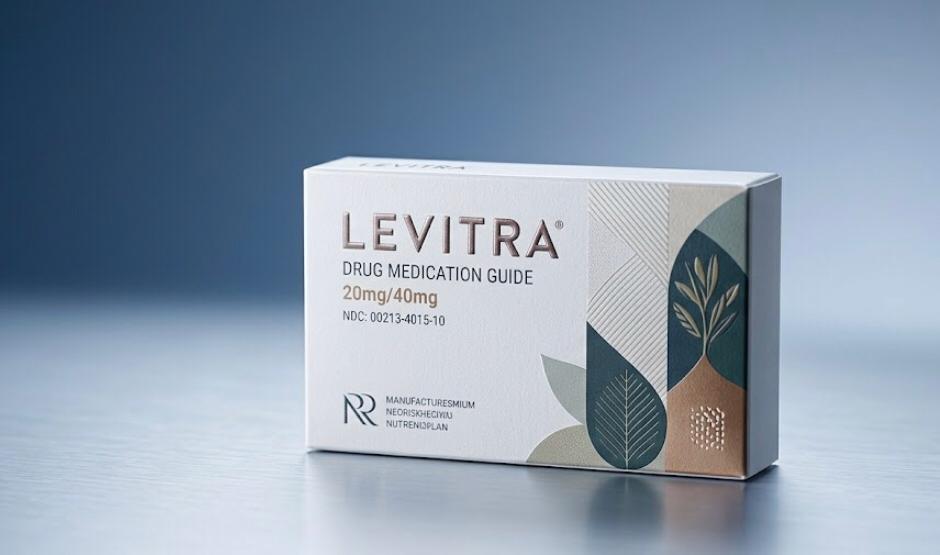
Various PDE5 inhibitors demonstrate distinct pharmacokinetic profiles and varying selectivity for other phosphodiesterase isoenzymes:
- Sildenafil: Rapid onset (30 to 60 minutes), 4-hour half-life; cross-reactivity with PDE6 in the retina can cause transient blue-tinted vision.
- Tadalafil: Extended half-life (17.5 hours), providing therapeutic coverage up to 36 hours; cross-reactivity with PDE11 in skeletal muscle can cause mild lower back myalgia.
- Vardenafil: High in vitro potency against the PDE5 catalytic site; less cross-reactivity with other isoenzymes.
- Avanafil: Highly selective PDE5 inhibitor with rapid onset (15 to 30 minutes) and minimal systemic cross-reactivity.
Levitra (Vardenafil): Therapeutic Scope, Clinical Precision, and Verified Sourcing
Within contemporary outpatient urological practice, Levitra (vardenafil hydrochloride) serves as an established, potent second-generation PDE5 inhibitor engineered for the treatment of erectile dysfunction. Chemically characterized as a piperazine derivative, vardenafil shares structural similarities with sildenafil but features an altered nitrogenous ring that provides nearly ten-fold greater biochemical potency against the isolated PDE5 enzyme in vitro. This high affinity often allows lower milligram dosing (available in 5 mg, 10 mg, and 20 mg formulations) while achieving effective cavernous smooth muscle relaxation.
Given the prevalence of online pharmaceutical distribution channels, patients must navigate their purchase decisions carefully to avoid unregulated, substandard, or counterfeit formulations. If you plan to buy Levitra online, you should obtain a legitimate medical evaluation from a licensed healthcare professional who can review your cardiovascular stability, baseline blood pressure, and concurrent medications. Patients looking to getting Levitra safely must use verified, accredited domestic pharmacies that demand a valid prescription and dispense authentic, FDA-approved medications.
Choosing to buy prescription Levitra through accredited digital platforms or established community pharmacies ensures that the drug has been stored, packaged, and dispensed under strict quality standards. When you order Levitra or get Levitra through certified avenues, your clinician can also guide routine monitoring such as assessing alpha-blocker separation intervals to prevent orthostasis, tracking hepatic CYP3A4 clearance interactions, and titrating doses effectively based on therapeutic response.
Second- and Third-Line Clinical Interventions
When oral PDE5 inhibitors are contraindicated or fail to provide adequate rigidity, local procedural and surgical therapies offer reliable alternatives.
Intracavernosal Pharmacotherapy and Intraurethral Suppositories
Intracavernosal injection (ICI) therapy involves delivering vasoactive compounds directly into the corpus cavernosum via a fine-gauge needle:
- Alprostadil (PGE1): Activates adenylate cyclase, increasing intracellular cyclic adenosine monophosphate (cAMP) to induce smooth muscle relaxation independently of nitric oxide pathways.
- Bimix and Trimix: Combinations of alprostadil, papaverine (a non-specific phosphodiesterase inhibitor), and phentolamine (a competitive alpha-adrenergic antagonist).
Vacuum Erection Devices and Surgical Penile Prostheses
Non-pharmacological and surgical options bypass the vascular biochemical cascade entirely:
- Vacuum Erection Devices (VED): A plastic cylinder placed over the flaccid penis coupled with a manual or electric pump that creates negative atmospheric pressure, drawing arterial and venous blood into the sinusoids. A constriction ring placed at the penile base maintains rigidity for up to thirty minutes.
- Inflatable Penile Prostheses (IPP): Three-piece hydraulic implants consisting of dual intra-cavernous cylinders, a scrotal control pump, and an abdominal fluid reservoir. Squeezing the pump transfers fluid into the cylinders to create rigid tumescence on demand, delivering patient and partner satisfaction rates exceeding 90% in refractory end-stage cases.
Regenerative Medicine and Emerging 2026 Modalitie
Recent clinical strategies focus on therapies that restore native vascular endothelial and cavernous smooth muscle architecture rather than relying solely on demand based vasodilation.
Low-Intensity Extracorporeal Shockwave Therapy applies acoustic energy pulses across the penile shafts and crura. These micro-energy waves create targeted tissue shear stress, upregulating vascular endothelial growth factor (VEGF), basic fibroblast growth factor (bFGF), and proliferating cell nuclear antigen. This mechanical signaling promotes localized angiogenesis, recruits endogenous mesenchymal stem cells.
Lifestyle Interventions and Systemic Vascular Optimization
Because penile erectile capacity reflects systemic endothelial health, targeted lifestyle adjustments support medical therapy and help preserve long-term vascular performance.
Frequently Asked Questions
What is the primary physiological cause of erectile dysfunction in men over forty?
The primary cause is vasculogenic impairment driven by atherosclerosis and endothelial dysfunction, which reduces arterial inflow through the internal pudendal and cavernous arteries while compromising smooth muscle relaxation.
Can severe periodontal disease directly impact male erectile performance?
Yes, severe periodontal disease serves as a chronic reservoir for circulating inflammatory cytokines and bacterial lipopolysaccharides that trigger systemic endothelial dysfunction, impairing nitric oxide production throughout pelvic and cavernous microvascular networks.
How does Levitra work differently from first-generation PDE5 inhibitors?
Levitra (vardenafil) possesses a modified molecular structure that gives it significantly higher in vitro potency against the PDE5 enzyme than sildenafil, allowing for lower therapeutic doses with less cross-reactivity with other phosphodiesterase isoenzymes.
Where can I buy prescription Levitra online safely through verified medical channels?
You can safely buy prescription Levitra online by completing a medical consultation through legitimate, state-licensed healthcare services that dispense genuine, FDA-approved medications through verified, accredited domestic pharmacies.
What are the earliest clinical warning signs of vasculogenic erectile dysfunction?
The earliest warning signs include a gradual loss of morning erections, difficulty maintaining rigidity without continuous direct physical stimulation, and taking longer to achieve an erection during sexual activity.