
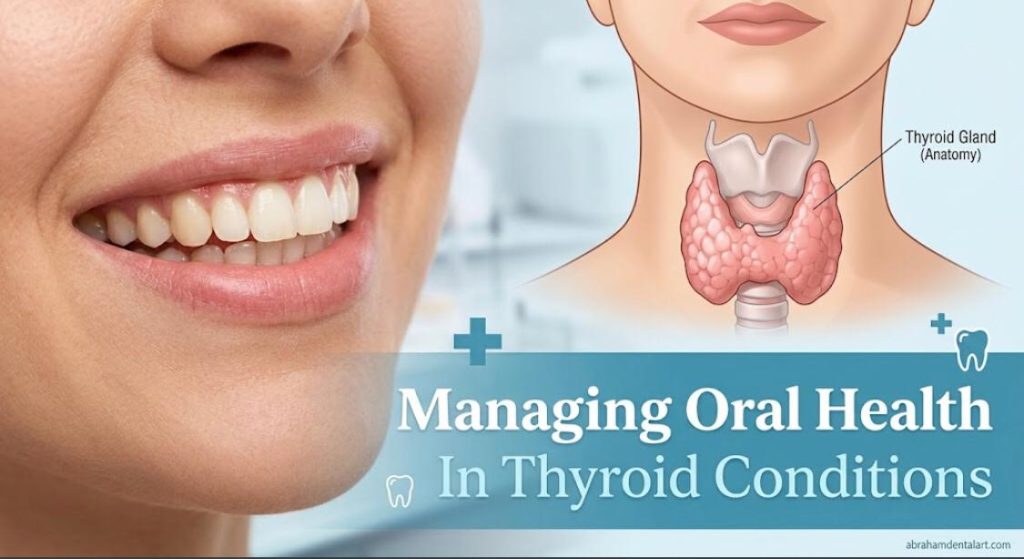
The Endocrine Oral Axis: Thyroid Function and Dental Physiology in 2026
It is widely understood that thyroid disorders affect metabolic rate, but their profound impact on dental wellbeing is less common knowledge. This article explores the intricate relationship between thyroid function and oral physiology, offering essential guidance for maintaining optimal oral health in thyroid conditions and providing comprehensive care for affected patients. The thyroid gland serves as the metabolic engine of the human body.
Directing cell energy consumption, protein synthesis, and systemic tissue repair. When thyroid hormone production shifts out of balance whether through autoantibody driven overactivity or thyroid gland failure the repercussions ripple through virtually every organ system. The oral cavity is no exception. In modern clinical practice, subtle soft tissue changes, unexplained salivary hypofunction. Accelerated bone loss are frequently the primary overt signs of underlying thyroid dysfunction.
Biological Mechanisms: Oral health in Thyroid Conditions
Thyroid hormones, specifically triiodothyronine ($T 3$) and thyroxine ($T 4$). Bind to nuclear receptors present throughout the oral tissues. These receptors direct protein turnover in the oral mucosa, control the mitotic activity of periodontal ligament fibroblasts. Regulate bone remodeling processes mediated by osteoblasts and osteoclasts. When circulating $T 3$ and $T4 levels fluctuate outside physiological thresholds. The structural integrity of the oral mucosa, the buffering capacity of saliva. Alveolar bone density undergo significant physiological alterations.
Triiodothyronine ($T 3$) and Thyroxine ($T 4$) Signaling in Alveolar Bone Remodeling
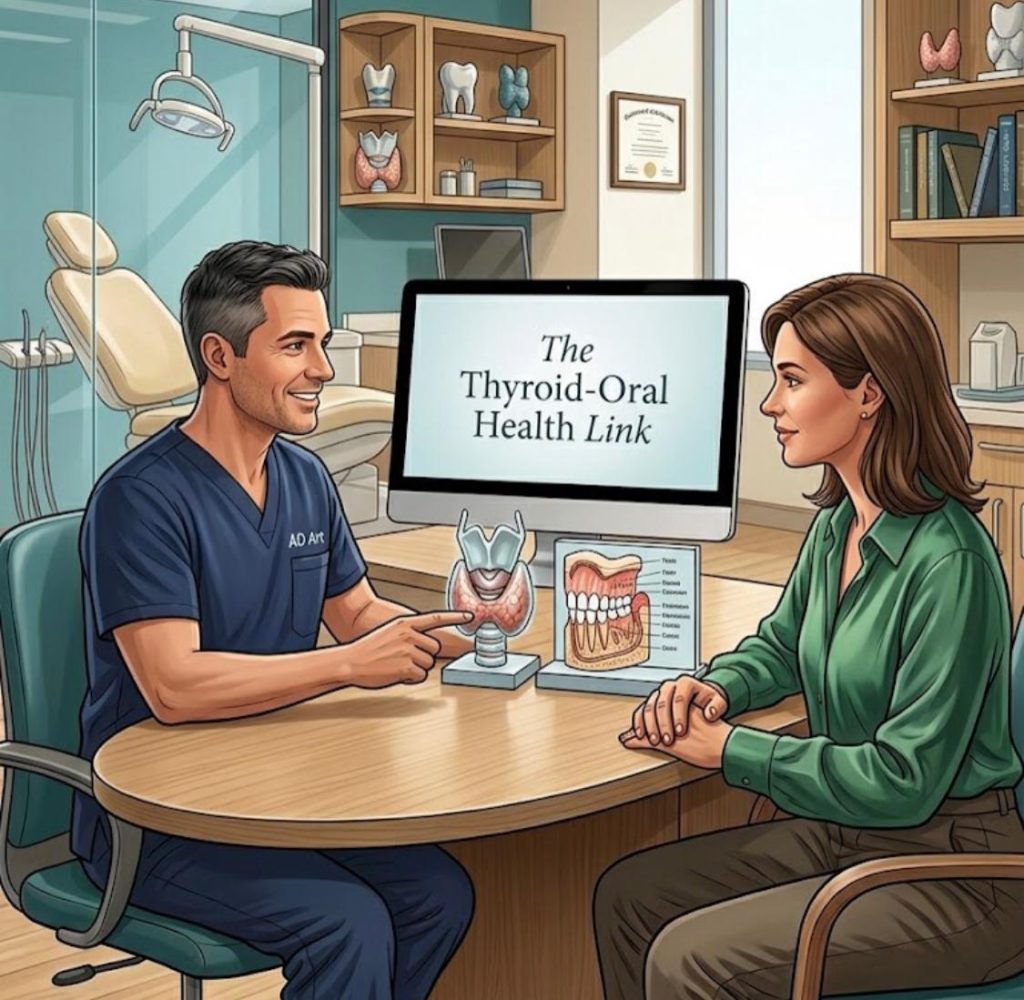
Alveolar bone maintains a dynamic equilibrium through continuous resorptive and formation signaling pathways. Thyroid hormones directly modulate RANKL (receptor activator of nuclear factor kappa B ligand) and osteoprotegerin (OPG) expression within osteocytes. In states of thyroid hormone excess, bone turnover accelerates with a disproportionate emphasis on osteoclastic resorption. Conversely, inadequate hormone levels slow metabolic turnover. Impairing bone matrix repair and dampening the local immune response against oral pathogens.
Cellular Level Cascades in Hypothyroid Tissue Dynamics
In hypothyroid states, reduced cellular metabolism impairs capillary permeability and collagen synthesis within the gingival lamina propria. Fibroblasts synthesize lower quantities of type I collagen, while extracellular matrix glycosaminoglycans accumulate abnormally. This microscopic accumulation causes non v pitting mucosal edema, leading to macroglossia, swollen gingival margins. Idelayed tissue repair following routine mechanical trauma or periodontal intervention.
Author’s Clinical Observation:
In over two decades of clinical practice, I have repeatedly observed patients presenting with recalcitrant gingival inflammation and persistent oral dryness despite immaculate mechanical plaque control. Before initiating aggressive periodontal surgery, ordering a comprehensive thyroid panel including TSH, free $T 3$, free $T 4$, and TPO antibodies frequently uncovers subclinical thyroid dysfunction as the true primary etiology.
Hypothyroidism characterized by insufficient thyroid hormone production imposes a quiet yet persistent burden on oral tissue health. Patients frequently present with symptoms that mimic localized oral disorders but stem directly from systemic endocrine failure.As we continuously emphasize in Abraham Dental Art Where Artistry Meets Innovation, evaluating systemic factors is vital for long-term oral health success.
Salivary Gland Dysfunction and Hyposalivation
Thyroid hormone receptors are densely expressed in the acinar cells of the parotid and submandibular salivary glands. Reduced thyroid activity impairs protein synthesis within these acinar units, leading to a marked decrease in unstimulated salivary flow rate (hyposalivation).Proper management of oral health in thyroid conditions requires regular dental checkups and tailored preventive care.
Subjective Xerostomia vs. Objective Hyposalivation
It is critical to distinguish between subjective dry mouth (xerostomia) and true objective hyposalivation. Objective salivary testing in hypothyroid patients often reveals a decreased flow rate (below $0.1 textmL min$ at rest) alongside altered salivary composition. The saliva exhibits elevated viscous mucin ratios and decreased salivary and bicarbonate concentrations, diminishing its natural antimicrobial and buffering capacities.
Elevated Cariogenic Risk and Opportunistic Mycoses
With diminished salivary buffering, the oral pH drops rapidly following carbohydrate ingestion, creating an acidic microenvironment. This shift favors acidogenic microorganisms, specifically Streptococcus mutans . Lactobacillus species, accelerating enamel demineralization. Furthermore, the loss of protective salivary proteins facilitates Candida albicans hyphal invasion. Resulting in chronic erythematous candidiasis or angular cheilitis at the commissures of the lips.
Periodontal Disease Progression in Low Thyroid States
Chronic hypothyroidism blunts the primary immune response to subgingival plaque biofilm. Polymorphonuclear leukocytes (neutrophils) exhibit impaired chemotaxis, allowing periopathogens like Porphyromonas gingivalis to proliferate unchecked within periodontal pockets.
Macroglossia and Mechanical Trauma
Systemic accumulation of mucopolysaccharides causes painless enlargement of the tongue (macroglossia). This anatomical expansion creates lateral scalloping where the tongue presses against the lingual surfaces of the teeth, predisposing the tissue to chronic mechanical friction, accidental bite trauma, and secondary bacterial contamination.
Hyperthyroidism and Dental Manifestations: Accelerated Bone Resorption and Early Eruption
Hyperthyroidism, most commonly etiology driven by Graves’ disease, creates a hypermetabolic state that dramatically alters bone tissue dynamics and autonomic neuromuscular tone within the oral cavity.
Alveolar Bone Loss and Rapidly Progressing Periodontitis
Maintaining optimal oral health in thyroid conditions involves close collaboration between your dentist and endocrinologist.
Excessive circulating $T 3$ and $T 4$ accelerate the skeletal remodeling cycle, cutting the duration of normal bone formation in half while increasing osteoclast activity. In the mandible and maxilla, this manifests as severe, rapid loss of alveolar bone height, loss of lamina dura definition on radiography, and marked tooth mobility.
Pediatric Considerations: Premature Tooth Eruption
When hyperthyroidism develops during early childhood or early adolescence, the hypermetabolic state accelerates somatic growth and dental maturation. Deciduous teeth exfoliate prematurely, and permanent dentition erupts well ahead of chronological age, often causing severe dental crowding and malocclusion.
Burning Mouth Syndrome (BMS) and Dysgeusia
Thyrotoxicosis frequently involves hyper excitability of peripheral nerve fibers. Patients often report persistent neuropathic burning sensations across the anterior two thirds of the tongue and palate, accompanied by metallic or bitter taste distortions (dysgeusia).
Comparative Summary: Hypothyroidism vs. Hyperthyroidism Manifestations
| Clinical Parameter | Hypothyroidism (Low T3/T4) | Hyperthyroidism (High T3/T4) |
| Salivary Dynamics | Hyposalivation, high viscosity, dry mouth | Normal to transiently hyperactive saliva |
| Periodontal Impact | Delayed repair, tissue edema, deep pockets | Accelerated alveolar bone loss, tooth mobility |
| Eruption (Pediatrics) | Delayed dental eruption & retention of primary teeth | Premature tooth eruption & early exfoliation |
| Neuropathic Symptoms | Macroglossia, dysgeusia, altered taste | Burning Mouth Syndrome, trigeminal sensitivity |
Systemic Management: Pharmacotherapy and How to Purchase Synthroid Safely
Achieving metabolic stability is the single most critical factor in controlling thyroid induced oral pathologies. For patients diagnosed with primary or secondary hypothyroidism, daily oral hormone replacement therapy forms the absolute foundation of clinical management. Restoring euthyroid status halts abnormal mucosal glycosaminoglycan deposition, restores acinar cell function within salivary glands, and normalizes osteoblast activity across alveolar bone structures.
Levothyroxine sodium serves as the global standard of care for thyroid hormone replacement. To maintain optimal biochemical stability, patients require continuous access to high quality, bioequivalent medication. Today, many individuals choose to buy prescription Synthroid through digital healthcare platforms for added convenience and reliable home delivery. When planning to purchase Synthroid or secure a supply for long term health maintenance, it is vital to utilize fully accredited, licensed pharmacies that mandate a legitimate medical prescription. Patients seeking to buy Synthroid online or order Synthroid acquire services must verify that the dispensing pharmacy holds recognized certifications (such as NABP/VIPPS accreditation in the United States).
Obtaining counterfeit or variable potency formulations from unverified suppliers can cause dramatic fluctuations in serum TSH levels, instantly exacerbating systemic hypothyroid symptoms, salivary failure, and destructive periodontal inflammation. Patients should always consult their attending endocrinologist or primary healthcare provider prior to making any adjustment to their pharmaceutical source or dosage schedule.
Clinical Pharmacology Note:
From a clinical perspective, dental procedures performed on patients with unstable thyroid levels carry heightened risk. When patients maintain precise compliance with their prescribed levothyroxine regimen sourcing their medication through legitimate, verified online pharmacy channels their oral tissue response to scaling, root planing, and surgical procedures mirrors that of a healthy euthyroid individual.
Managing the oral complications of thyroid disease requires a structured, multi phase clinical strategy combining therapeutic intervention with preventative maintenance.
Managing Xerostomia and Salivary Hypofunction
To counter the destructive consequences of hyposalivation, clinical protocols focus on immediate mucosal hydration and long term enamel remineralization.
Salivary Substitutes and Parasympathomimetic Stimulants
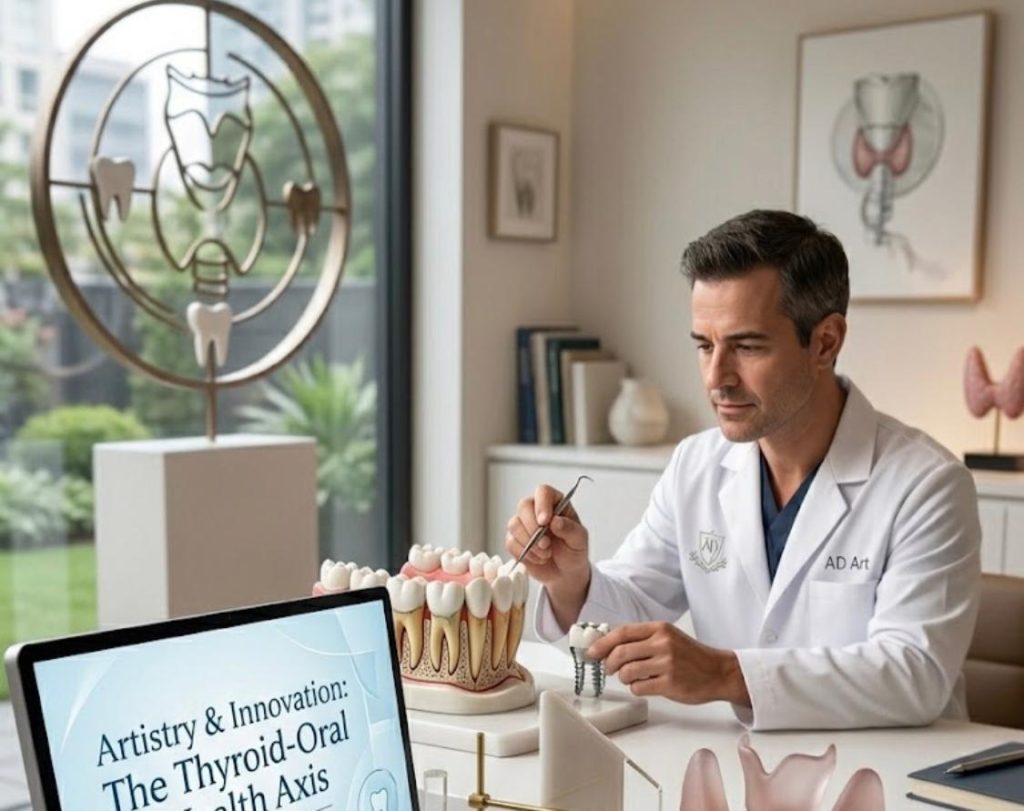
For patients with functional salivary gland tissue, secretagogues such as pilocarpine or cevimeline can stimulate endogenous saliva flow. In cases of significant acinar atrophy, carboxymethylcellulose based or mucin based artificial saliva substitutes provide immediate lubricating relief, reducing friction induced mucosal ulceration.
Advanced Remineralization Strategies
To prevent rapid cervical decay, patients should apply 1.1% sodium fluoride prescription dentifrices (5000 ppm) nightly. In 2026 clinical practice, the adjunctive application of amorphous calcium phosphate casein phosphopeptide (ACP CPP) or nano hydroxyapatite pastes is widely recommended to rebuild mineral density within early demineralized enamel lesions. Schedule a consultation at Abraham Dental Art today to discuss how we can maintain your oral health while managing your thyroid condition.Understanding oral health in thyroid conditions helps prevent long-term complications and ensures better patient outcomes.
Frequently Asked Questions (FAQ)
Q1: How does hypothyroidism directly contribute to dry mouth and tooth decay?
Hypothyroidism directly reduces salivary gland enzyme production and secretion rates, leading to severe hyposalivation that deprives teeth of essential mineralizing ions and protective buffering against acid producing bacteria.
Q2: Can uncontrolled thyroid disease interfere with dental surgery and anesthesia safety?
Yes, poorly controlled thyroid disease significantly increases cardiovascular risks during dental surgery, as hyperthyroid patients are sensitive to epinephrine in local anesthetics while hypothyroid patients metabolize sedatives and analgesics at dangerously slow rates.
Q3: Where can patients safely buy prescription Synthroid online to stabilize their condition?
Patients can safely buy prescription Synthroid online through verified, state licensed digital pharmacies that require a doctor’s prescription and maintain official accreditation from pharmaceutical oversight boards.
Q4: Why do patients with hyperthyroidism experience rapid tooth loosening?
Hyperthyroidism elevates thyroid hormone levels, which accelerates systemic bone resorption and rapidly weakens the underlying mandibular alveolar bone supporting the teeth.
Q5: What daily oral care routine is recommended for thyroid patients in 2026?
In 2026, the recommended daily routine includes brushing twice daily with 5000 ppm high fluoride dentifrice, utilizing an alcohol free moisturizing mouthwash.