Panic attacks can feel sudden, overwhelming, and physically dangerous. A racing heart, chest discomfort, shaking, dizziness, shortness of breath, or fear of dying may appear within minutes. Yet a panic attack is not automatically the same thing as panic disorder, and neither should be self diagnosed from a symptom checklist alone. Here on the Abraham Dental Art official blog, we frequently talk about mental health, antidepressants, and ways to overcome stress.
Panic disorder is a treatable anxiety disorder marked by recurrent, unexpected panic attacks followed by persistent fear of having more attacks, behavioral avoidance, or both. Effective care usually combines an accurate medical assessment, evidence based psychotherapy, and when clinically appropriate medication management.
This article is educational and does not replace an evaluation by a physician, psychiatrist, psychologist, nurse practitioner, or other licensed mental health professional. New chest pain, fainting, severe breathing difficulty, signs of stroke, overdose concerns, or symptoms that feel medically dangerous should be assessed urgently.
Panic Disorder Care in 2026
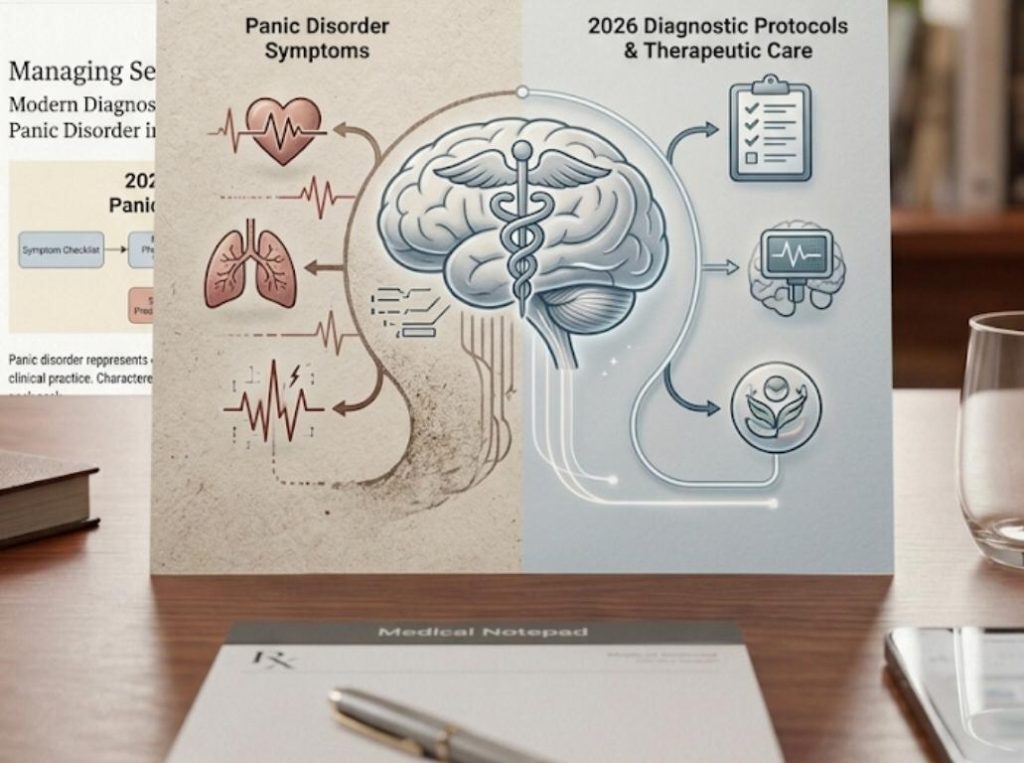
In 2026, panic disorder care increasingly emphasizes earlier identification, measurement based treatment, access to cognitive behavioral therapy (CBT), telehealth options when appropriate, and careful medication stewardship. Clinicians are also more alert to the overlap between anxiety symptoms and physical disorders, including cardiac arrhythmias, thyroid disease, asthma, medication effects, and substance related symptoms.
Digital mental health programs may improve access for some people, but an app, chatbot, or online symptom checker cannot rule out a medical emergency or establish a psychiatric diagnosis. Digital tools work best as adjuncts to licensed care, not replacements for it. To learn more about creating accurate medical content SEO and improving your online visibility, read our full article here.
Editorial integrity and lived experience
This draft does not claim personal clinical practice or fabricate patient stories. Before publication under a clinician’s name, the author should add only accurate, verifiable details about their credentials, scope of practice, and real experience treating panic disorder. This protects patients and supports the experience, expertise, authoritativeness, and trustworthiness expected for health content.
Recognizing a Panic Attack
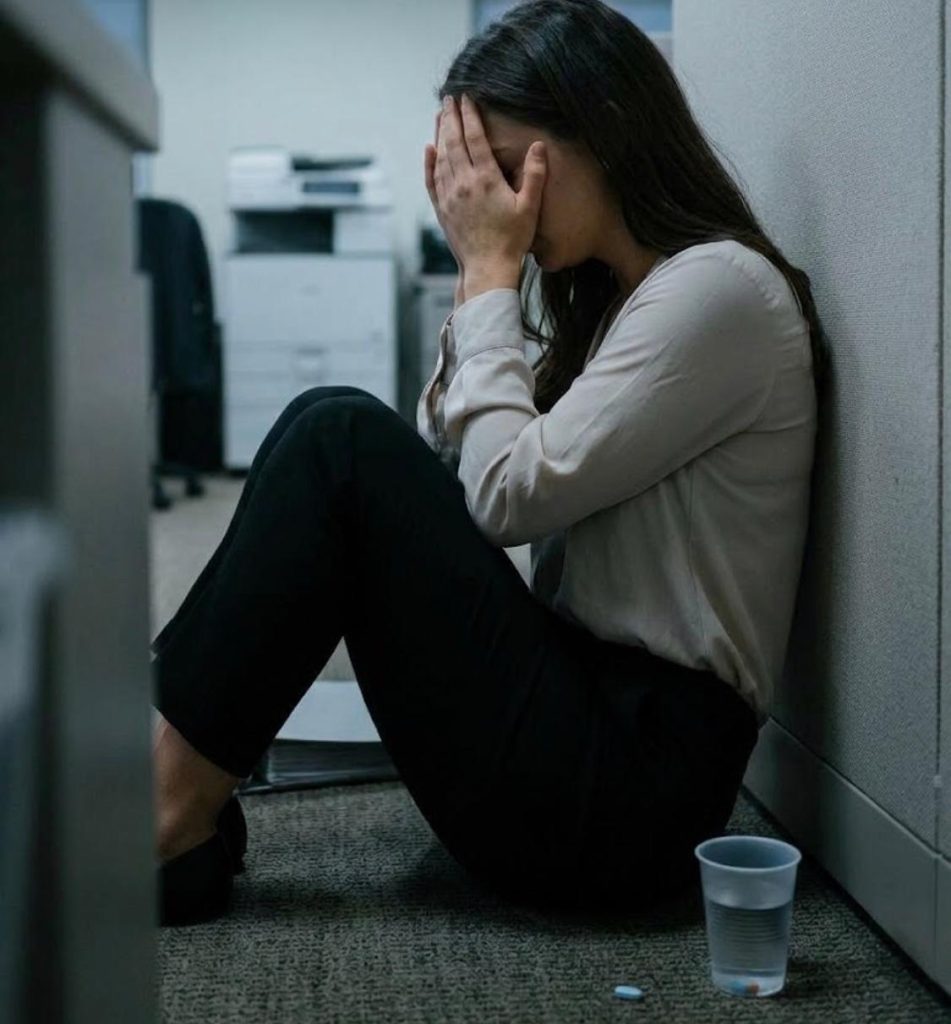
A panic attack is an abrupt surge of intense fear or intense discomfort that reaches a peak within minutes. According to the Diagnostic and Statistical Manual of Mental Disorders, Fifth Edition, Text Revision (DSM-5-TR), a panic attack commonly includes four or more physical or cognitive symptoms.
Common symptoms include:
- Heart palpitations, pounding heart, or rapid pulse
- Sweating, shaking, or trembling
- Shortness of breath or a sensation of choking
- Chest pain or chest tightness
- Nausea, abdominal distress, or dizziness
- Chills, hot flashes, numbness, or tingling
- Derealization or depersonalization
- Fear of losing control, “going crazy,” or dying
Panic attack versus panic disorder
A person can have one panic attack during a period of acute stress, illness, stimulant use, trauma exposure, or another mental health condition. Panic disorder is a separate diagnosis. It generally involves recurrent unexpected panic attacks plus at least one month of persistent worry about future attacks, their consequences, or behavior changes intended to avoid another attack.
What “unexpected” means
An unexpected panic attack seems to arrive “out of the blue,” rather than only occurring in a clearly feared situation. By contrast, a person with social anxiety may panic before public speaking, while someone with a specific phobia may panic around a feared object or environment. Both experiences deserve care, but the clinical formulation may differ.
| Pattern | Typical Features | Appropriate Next Step |
|---|---|---|
| Isolated panic attack | One or occasional episode, sometimes linked to stress, illness, caffeine, or substance use | Discuss recurrent symptoms with a clinician; urgent assessment if symptoms are new or medically concerning |
| Panic disorder | Recurrent unexpected attacks plus ongoing fear, avoidance, or behavior change | Comprehensive mental-health and medical evaluation; consider CBT and medication discussion |
| Agoraphobia | Fear or avoidance of places where escape or help may feel difficult | Specialized exposure-based therapy and individualized treatment planning |
| Possible medical emergency | New chest pain, fainting, severe breathlessness, neurologic symptoms, or signs of overdose | Call 911 or seek emergency care in the United States |
Why Panic Disorder Develops
Panic disorder is not a character flaw
Panic disorder does not result from weakness, poor motivation, or a failure to “calm down.” It usually reflects an interaction among inherited vulnerability, stress physiology, learned fear responses, temperament, life events, physical health, and environmental factors.
Research on anxiety disorders points to changes in threat processing, bodily sensation interpretation, and avoidance learning. A person may begin to fear normal physical sensations such as a faster heartbeat after climbing stairs because those sensations have become associated with a prior panic attack.
Factors that can worsen panic symptoms
Panic-like symptoms may be intensified by:
- High caffeine or energy drink intake
- Nicotine, cannabis, stimulants, or other substances
- Alcohol withdrawal or sedative withdrawal
- Sleep deprivation
- Major life stress, trauma, or grief
- Some prescription medications or over the counter products
- Medical conditions such as hyperthyroidism, heart rhythm disorders, respiratory disease, or low blood sugar
These factors do not prove that someone has panic disorder. They are reasons to seek a careful assessment rather than assuming every episode is “just anxiety.”
How Clinicians Diagnose Panic Disorder
A diagnosis starts with safety
A qualified clinician will usually ask about the timing of symptoms, prior attacks, avoidance patterns, medical history, family history, sleep, substance use, medications, trauma exposure, and functional impairment. Depending on the presentation, an evaluation may include vital signs, a physical examination, laboratory tests, an electrocardiogram, or referral to another specialist.
Not every person needs every test. The correct workup depends on age, symptoms, medical history, risk factors, and whether the episode is new or different from previous attacks.
Screening tools can support not replace diagnosis
The Panic Disorder Severity Scale (PDSS), Generalized Anxiety Disorder-7 (GAD-7), and similar instruments can help clinicians measure symptom burden and track improvement. They are not standalone diagnostic tools and cannot safely exclude medical causes of chest pain, breathlessness, or fainting.
Medical red flags that deserve urgent evaluation
Seek emergency care or call 911 in the United States for symptoms such as:
- New, severe, or persistent chest pain
- Fainting or near-fainting
- Severe shortness of breath
- One-sided weakness, facial drooping, confusion, or trouble speaking
- Symptoms after an overdose or mixing sedatives with alcohol or opioids
- Panic-like symptoms during pregnancy with severe physical warning signs
- A first episode in someone with significant heart, lung, or neurologic risk factors
Evidence Based Treatment for Panic Disorder
Cognitive behavioral therapy is a first line option
CBT is among the most studied psychological treatments for panic disorder. It helps people identify catastrophic interpretations of body sensations, reduce avoidance, and build confidence through planned, gradual exposure.
Interoceptive exposure
Interoceptive exposure is a structured CBT technique in which a trained therapist helps a patient safely experience feared physical sensations such as a faster heartbeat or lightheadedness so that those sensations become less frightening over time. It is not the same as forcing oneself into overwhelming distress without support.
What CBT often addresses
A CBT treatment plan may include:
- Education about the body’s stress response
- Identification of fear-based thoughts and safety behaviors
- Interoceptive exposure for feared sensations
- Situational exposure for avoided places or activities
- Relapse-prevention planning and independent practice
Medication may be appropriate for some patients
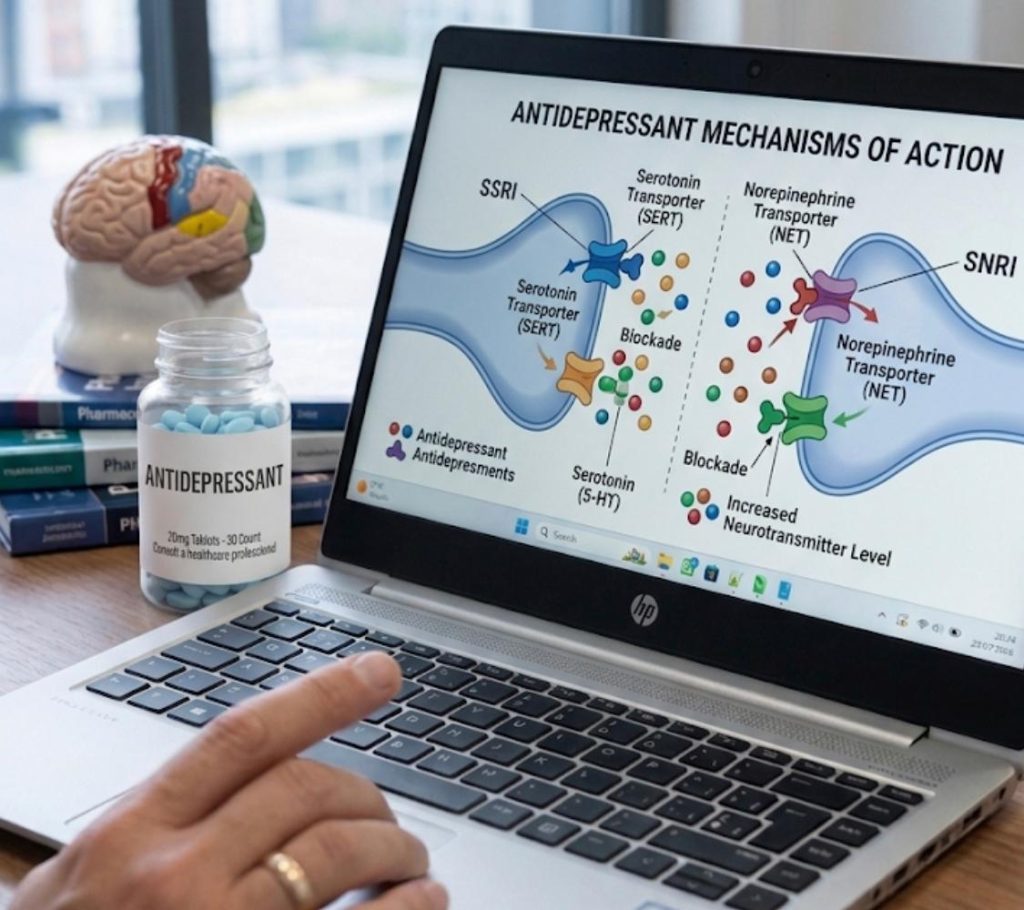
Selective serotonin reuptake inhibitors (SSRIs) and serotonin norepinephrine reuptake inhibitors (SNRIs) are commonly considered when panic symptoms are persistent, disabling, or not adequately improving with psychotherapy alone. Medication selection should account for medical history, other medicines, pregnancy considerations, side effect vulnerability, and the patient’s treatment preferences.
Some people experience temporary activation, sleep changes, gastrointestinal effects, or increased anxiety early in treatment. Follow-up matters. Patients should not abruptly stop psychiatric medication without discussing it with the prescribing clinician.
Alprazolam and Safe Online Prescription Practices
A necessary safety discussion about Xanax
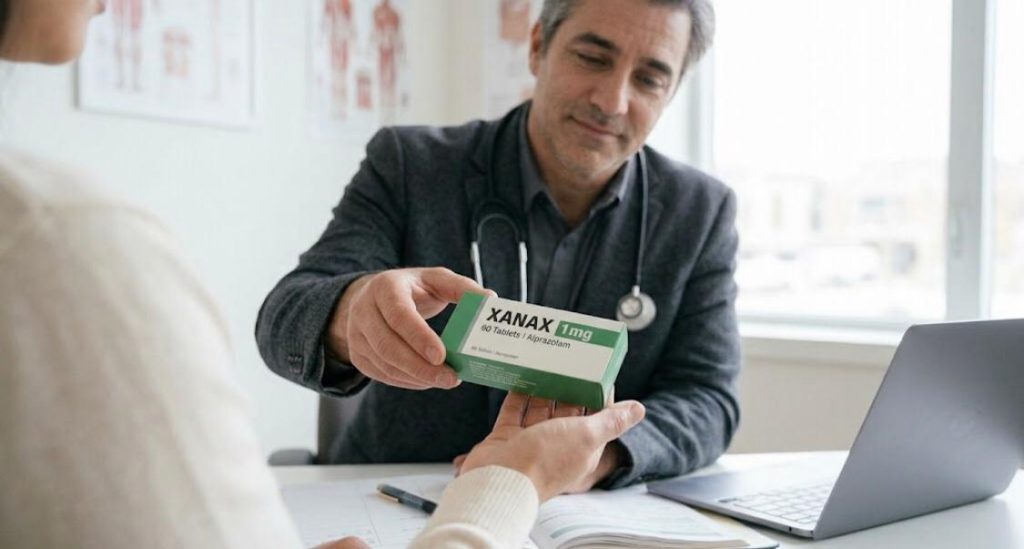
Xanax is a brand name for Alprazolam, a benzodiazepine prescription medication that may be used in limited clinical circumstances for anxiety and panic symptoms. It is a controlled medication in the United States and carries meaningful risks, including sedation, impaired driving, misuse, dependence, withdrawal, and potentially dangerous interactions with opioids, alcohol, or other central nervous system depressants.

Searches such as buy Xanax 1mg online, should lead to a safety check not an impulsive checkout process. A legitimate pharmacy must follow applicable federal and state requirements, require a valid prescription, provide access to pharmacist counseling, and protect patient information. There are also websites on the internet that offer Xanax without a prescription and engage in pharmaceutical sales; they promise the fastest possible delivery without any restrictions, or even encourage users to forgo consulting a doctor.
For people with panic disorder, the safer commercial decision is to begin with a licensed clinician’s evaluation and use only verified, accredited pharmacies when medication is prescribed. The FDA’s BeSafeRx resources and state pharmacy board verification tools can help patients identify warning signs of unsafe online pharmacies. Never mix Alprazolam with alcohol, opioids, or sedatives unless specifically directed by the prescribing clinician, and do not stop regular benzodiazepine use suddenly because withdrawal can be medically serious.
Practical Steps That Can Reduce Panic Escalation
What to do during rising panic symptoms
If a clinician has already determined that panic attacks are the likely explanation and there are no emergency warning signs, these steps may help reduce escalation:
- Name the experience: “This feels like panic, and it will pass.”
- Sit or stand in a safe place and notice physical surroundings.
- Use slower, gentler breathing rather than rapid overbreathing.
- Ground attention in sensory details: five things you can see, four you can feel, and so on.
- Avoid leaving every situation immediately if avoidance is part of the treatment target and it is safe to remain.
- Follow the individualized plan created with a clinician or therapist.
Prevention focuses on recovery, not perfection
Regular sleep, adequate nutrition, movement, lower stimulant intake, and consistent therapy attendance can reduce vulnerability to panic. These strategies cannot guarantee that an attack will never occur. The goal is to reduce fear, avoidance, impairment, and reliance on unsafe coping behaviors.
Preparing for a Professional Appointment
Bring a brief symptom timeline that includes when attacks started, how often they occur, what happens physically, what you fear during episodes, and what situations you now avoid. List all prescription medicines, supplements, caffeine products, alcohol use, nicotine, cannabis, and other substances. This information helps clinicians distinguish panic disorder from medical, medication-related, and substance-related causes.
A useful question to ask is: “What is the treatment plan for both immediate symptom safety and long-term recovery?” A good plan should include follow-up, monitoring, and a clear discussion of therapy options not only a medication decision.
Frequently Asked Questions
What is the difference between a panic attack and panic disorder?
A panic attack is a sudden episode of intense fear or discomfort, while panic disorder involves recurrent unexpected attacks plus ongoing worry or avoidance for at least a month. A person can have a panic attack without meeting criteria for panic disorder.
Can a panic attack feel like a heart attack?
Yes. Panic attacks can cause chest pain, shortness of breath, sweating, dizziness, and palpitations that overlap with heart and lung conditions. New, severe, or medically concerning symptoms should be evaluated urgently rather than assumed to be anxiety.
Is CBT effective for panic disorder?
Yes. CBT, especially when it includes cognitive restructuring and exposure-based methods, is a first-line evidence-based treatment for panic disorder. It helps reduce fear of body sensations, avoidance behaviors, and the long-term impact of recurrent panic.
Can I buy prescription Xanax online in Florida in 2026, or obtain it through Abraham Dental Art?
A legitimate online pharmacy may dispense alprazolam only after a valid prescription and compliance with federal and Florida requirements. This article does not verify whether Abraham Dental Art offers medication-related or panic-disorder services; patients should contact the clinic directly and seek panic-disorder care from a qualified medical or mental-health professional.
When should I seek emergency help instead of waiting for a panic attack to pass?
Seek emergency help when symptoms are new, severe, or different from prior episodes, especially with chest pain, fainting, severe shortness of breath, neurologic symptoms, overdose concerns, or high-risk medical conditions. Call 911 in the United States when immediate emergency evaluation is needed.